Today’s post came from Caitie Carney, former park naturalist at Neys Provincial Park.
Ever since I can remember, I’ve been fascinated with the history of the Titanic and how it sank.
I remember going to the Titanic Museum in Las Vegas as a kid and spending hours looking at artifacts and learning the stories of the passengers who survived and, ultimately, those who didn’t.
When I got to Neys for my summer job with the Discovery program, one of the first questions I was asked was:
“Have you heard of “The Wreck of the Edmund Fitzgerald” song by Gordon Lightfoot? If you haven’t, I recommend you listen to it as many visitors will be asking about the shipwreck.”
Beyond the Edmund Fitzgerald
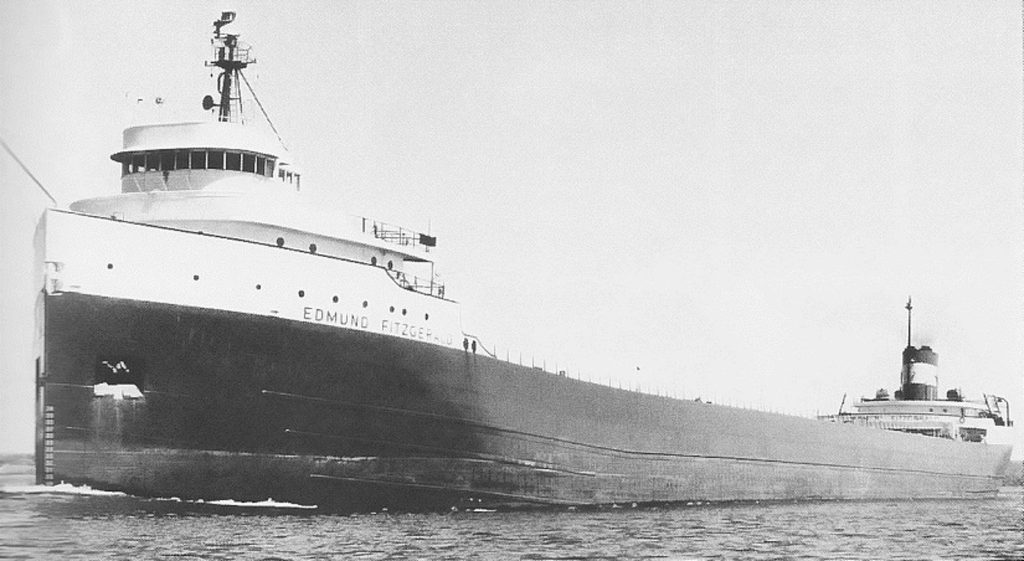
The Edmund Fitzgerald is undoubtedly the most famous shipwreck on Lake Superior. It sank on November 10, 1975, near Sault Ste. Marie during a violent storm on Lake Superior, claiming the lives of all 29 crew members.
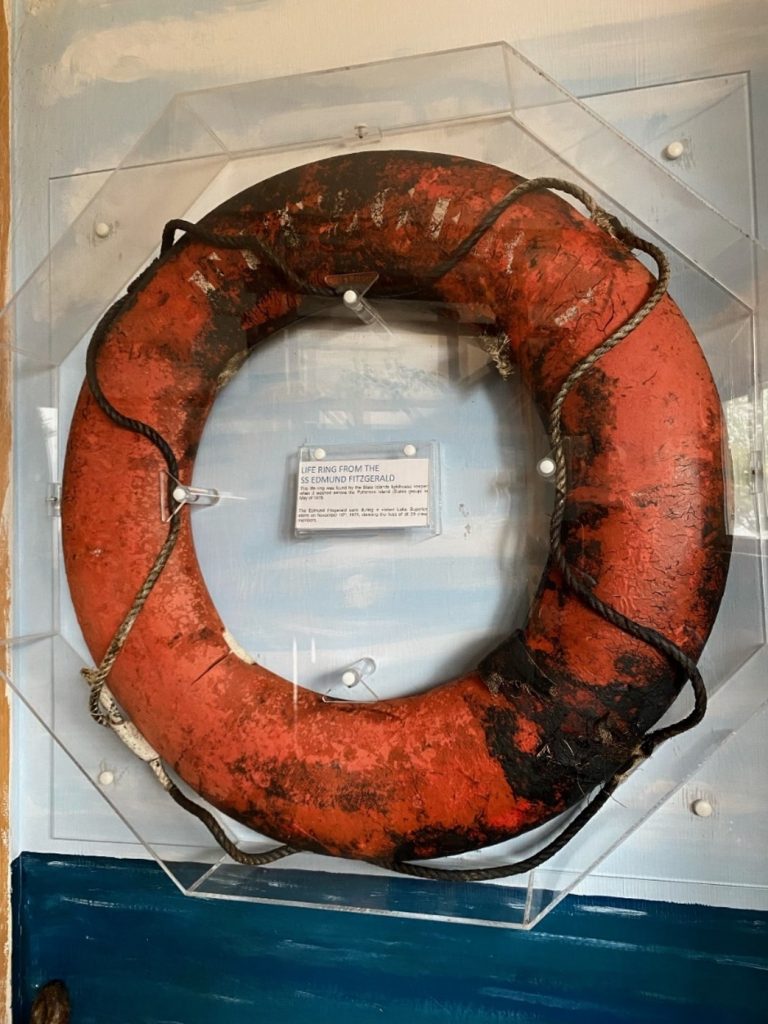
The Neys Visitor Centre features a small display of shipwreck artifacts, the most popular being a life ring from the Edmund Fitzgerald. John (Jack) Robert Bryson, the Slate Islands lighthouse keeper, found the life ring when it washed ashore at Patterson Island (now part of Slate Islands Provincial Park) in May 1978, a mere three years after the ship sank. Jack generously donated the life ring to be part of the park’s display about Lake Superior.
When I began my position, my curiosity about shipwrecks in Lake Superior, especially around Neys, was ignited.
I discovered that Neys has two other shipwrecks in the immediate area that contribute to the park and local area’s histories.
Here are their stories.
The Whaleback Barge 115
The Whaleback Barge 115 was one of a series of 43 boats. They were named “whaleback” because the ship’s design looked like a whale’s back when fully loaded.
This design was intended to keep the barges more stable in high seas. However, the barge was poorly designed and had numerous close calls before its ultimate sinking.
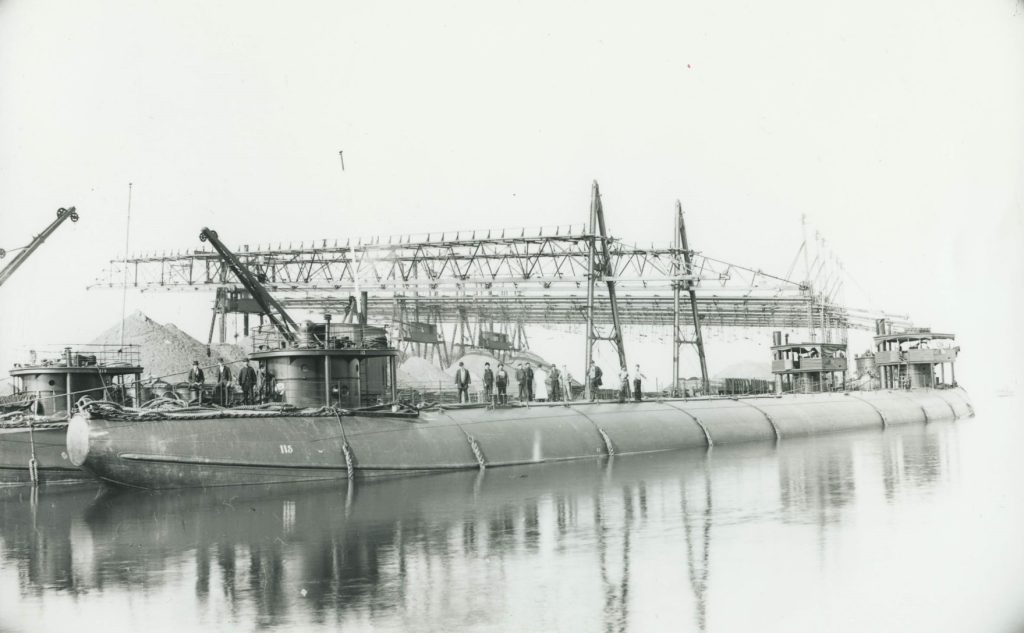
On December 10, 1899, the Whaleback Barge 115 set out on what would be its final voyage from Two Harbors, Minnesota, heading towards Sault Ste. Marie.
Loaded with iron ore, the Whaleback Barge 115 was towed by another barge called the Colgate Hoyt. Due to a bad winter storm, the captain made the decision to sail closer to the Canadian side of Lake Superior.
Progress was slow.
By December 13, the storm was so bad that the tow line snapped and the Whaleback was separated.
The Colgate Hoyt immediately began a search once they realized the Whaleback was missing. They searched for four hours, but decided to head back to Sault Saint Marie due to worsening weather and the lack of coal to fuel their vessel.
Once they arrived back in Sault St. Marie, the news was delivered that the Whaleback was nowhere to be seen and another search was organized.
After another fruitless search, the Whaleback 115 was declared lost, and it was assumed that there were no survivors. However, the Whaleback‘s crew of nine members were still fighting for survival.
A story of snowy survival
According to a first-hand account by one of the crew members, the Whaleback was adrift on Lake Superior for five days before it hit Pic Island.
After multiple trips in a small life raft, the nine crew members made it to land. There, they were welcomed by three feet of snow and faced a steep bluff to climb, believing they had arrived on the mainland.
The survivors spent the first night in the cold woods with limited dry clothing and provisions. The next day, they explored the shoreline, only to find out they were on an island (Pic Island).
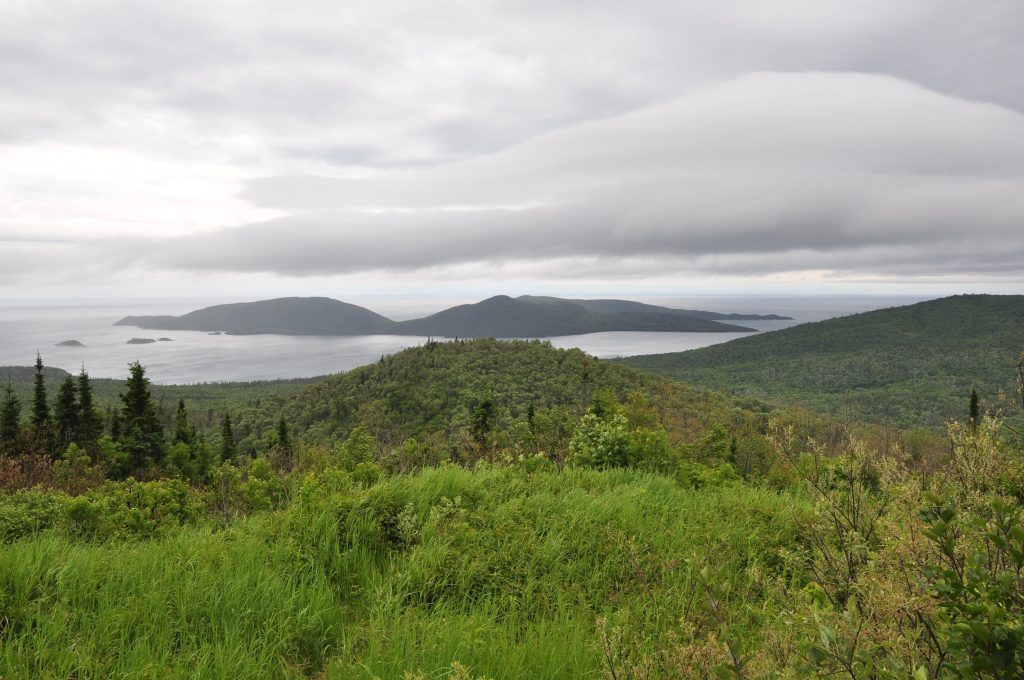
The second night, the crew luckily found an old log cabin to stay in.
On the third day, the crew made a raft from the cabin. They travelled 8 km to the mainland of the Coldwell Peninsula, with the raft falling apart on arrival.
Once there, and after another frigid night in the bush, they followed train tracks and were able to find a railway worker who assisted them.
By December 22, 1899, all the crew members were returned home. Despite the freezing journey, only one member of the crew had gotten frostbite.
The Whaleback 115 was the last ship in Lake Superior to sink in the 1800s.
The wreckage of Whaleback was eventually found near Pic Island in 1980, obviously damaged as a result of hitting the rocky shores of Pic Island, yet the ship’s bell remained intact. Shattered remnants of the 115 can still be seen high up on Pic Island (now part of Neys) today.
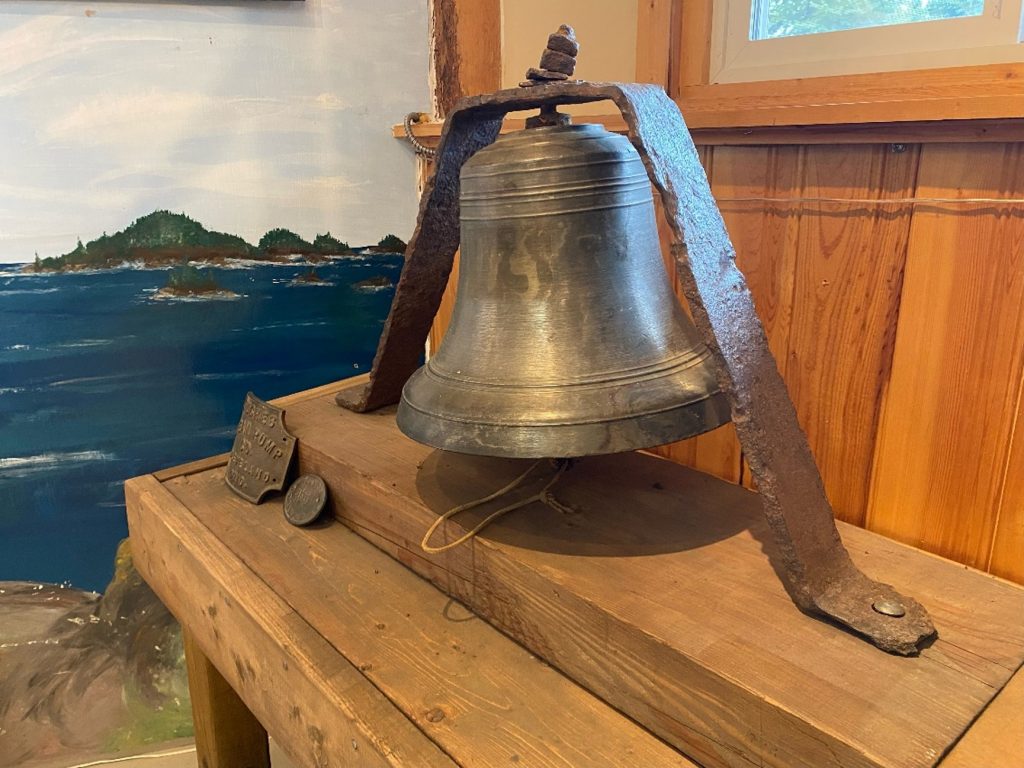
You can now view the barge’s bell, steering wheel, port hole, and other artifacts at the Neys Visitor Centre.
The Judge Hart
The Judge Hart was a “canaller,” built to travel through the Welland Canal. It was constructed in 1923 in England and sailed the Great Lakes for 20 years.
During the Great Depression, there was a limited need for shipping, but as soon as World War II broke out, the Judge Hart was back in action.
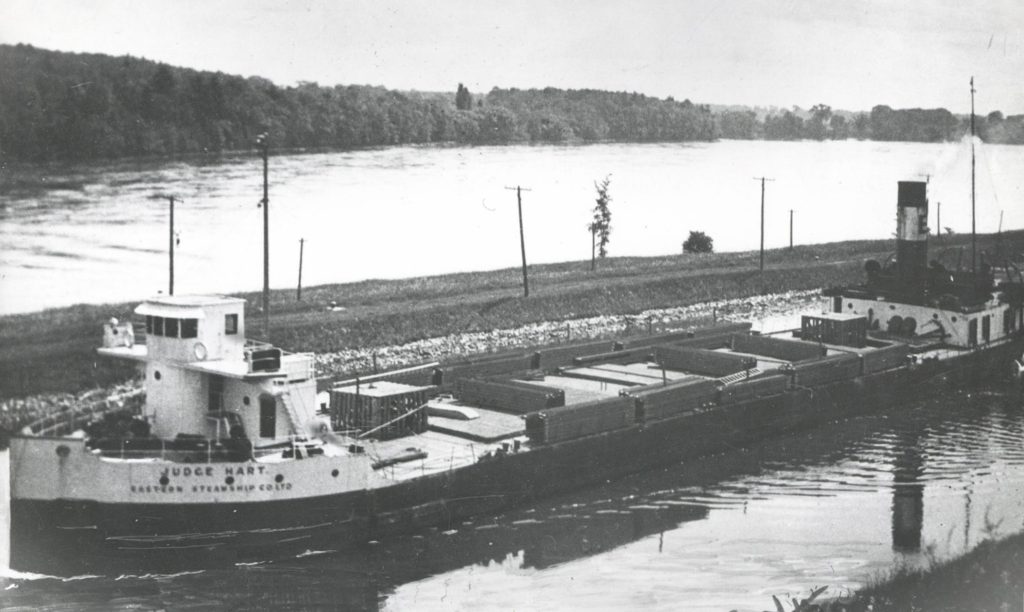
Its final voyage was November 25, 1942, from Port Arthur (now Thunder Bay), heading towards the Atlantic Ocean with a load of grain. It looked like a typical November day for Lake Superior.
However the next day things took a turn for the worse as they encountered an ice storm.
Once the Judge Hart got to the Slate Islands, the weather began to pick up. The winds turned to gale force, and the waves started to crash onto the boat.
Due to poor visibility, the captain decided it would be best to reroute and take shelter within Jackfish Bay, near Marathon.
The ship’s depth sounding machine became too frozen to function. It was difficult to chart the water’s depth. The crew tried to open the ship’s hatch to help get better visibility, but the storm was too strong to see anything.
On November 26, the Judge Hart struck the Fitzsimmons Rocks about 18 km from what is now Neys Provincial Park.
Due to the slow speed that the ship was going when it hit the rock, only a small hole was made in the boat.
There was a plan to have three nearby boats come tow the Judge Hart. Alas, it was discovered that the damage would be too severe to tow the boat to shore.
At 10:45 a.m. on November 28, the order came to abandon ship. Due to the ice buildup on the boat, the Judge Hart stayed afloat and drifted to the Barclay Islands, where the ship ultimately sank in about 200 feet of water in Ashburton Bay. No lives were lost.
The Judge Hart was found 50 years later perfectly intact on the bottom of Lake Superior.
On occasion, experienced divers still explore the wreck of the Judge Hart today, which still looks the same as when it sank.
Watch history come alive!
The next time you visit Neys, check out the Visitor Centre to see our artifacts and learn more about the local shipwrecks.
Read more on other Lake Superior shipwrecks!
Neys Provincial Park is located 3 ¼ hours from Thunder Bay and 30 minutes from Marathon.