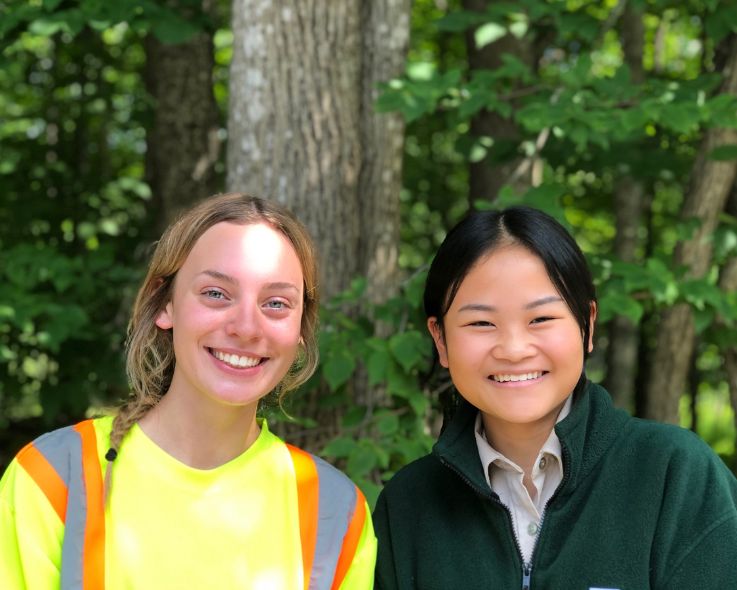
Today’s blog is written by Elias Squires, former park naturalist at Blue Lake Provincial Park.
When I first arrived at Blue Lake, I knew very little about trees of any kind.
I won’t pretend to be anything close to an arboreal expert now, but there is one thing I have learned in my time as a naturalist with Ontario Parks: Jack Pines are quite possibly the most beautiful trees in the world.
No, I will not be taking any criticism.
The beauty of Jack Pines
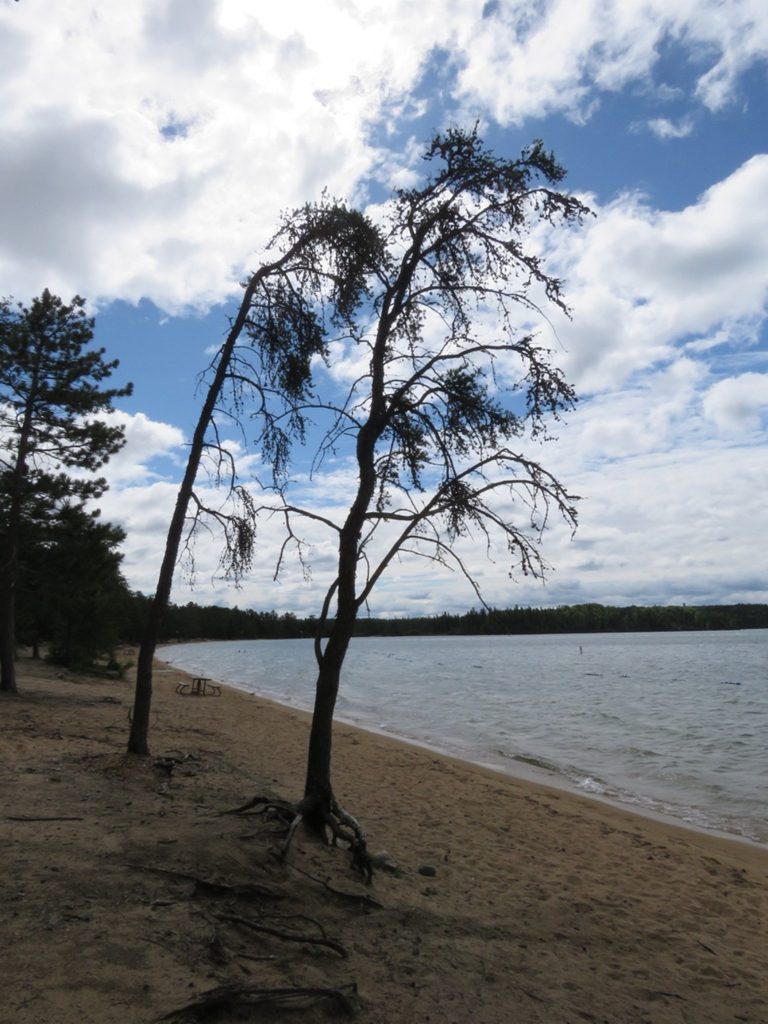
If you’ve ever seen a Jack Pine tree, and I’m sure many of you have, you may have taken the time to marvel at the sheer starkness of it.
Nobody is calling a Jack Pine tree grandiose, like the mighty Eastern White Pine.
The Jack Pine is not a pretty tree — some may even call it an ugly tree.
It’s gray, skeletal, and slightly sickly-looking with tufts of needles that stick out haphazardly, lending a fragmentary silhouette to an otherwise scraggly looking tree.
Some of them grow straight and stiff like arrows, while others bow beneath some unseen weight, their branches gnarled. Small, colourless cones drop and litter the forest floor like the droppings of some tremendous beast.
What about this, you might ask, provokes beauty?
It’s a hard thing to put into words; the strange, magnetic grandeur of the Jack Pine — but I will try my best.
Defining a… unique beauty
It starts like this:
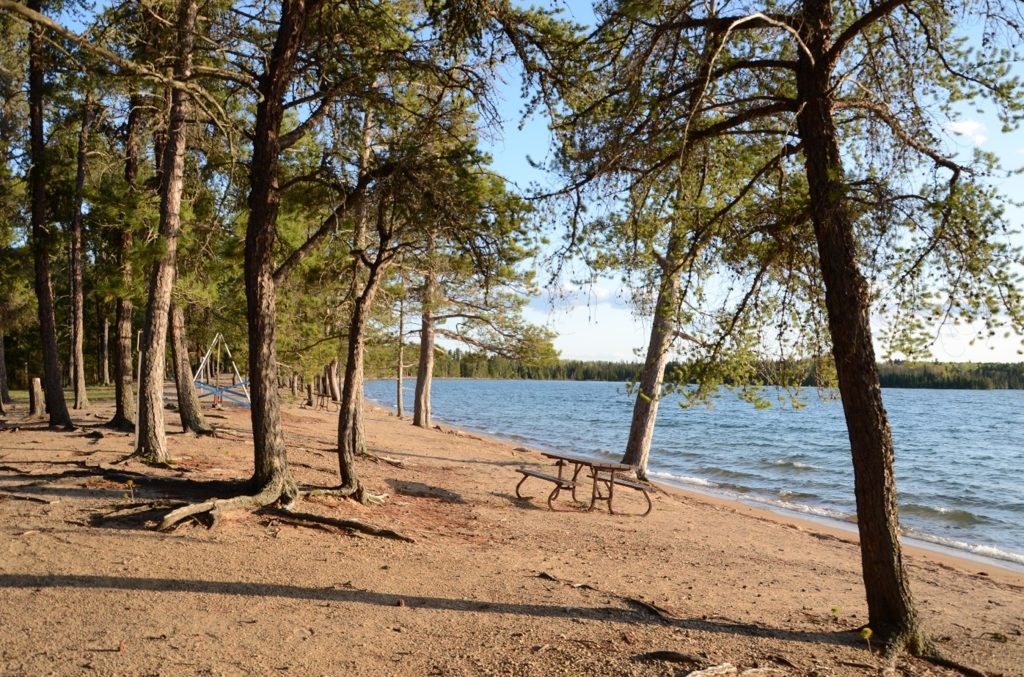
You’re taking a sunset walk on the beach at Blue Lake Provincial Park.
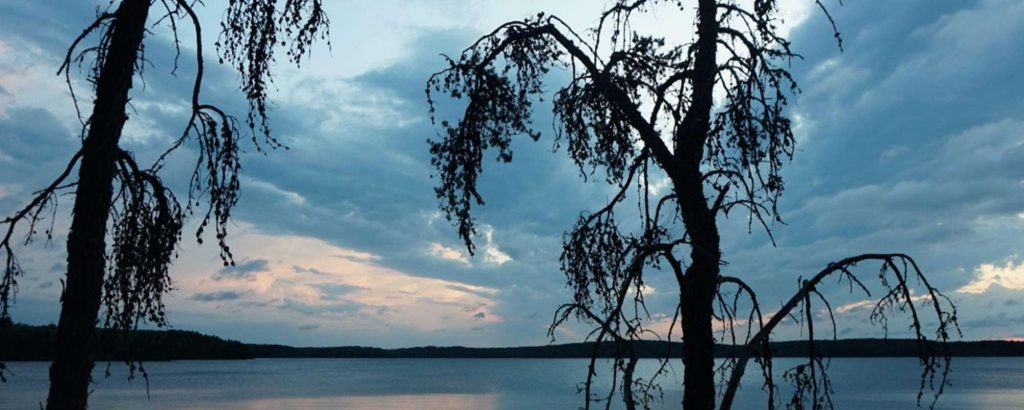
Because you are in Northwestern Ontario, the view is characteristically picturesque; Jack Pines line the beach, backlit by the dipping golden sun like shadowed soldiers standing guard against that wide expanse of glacial water.
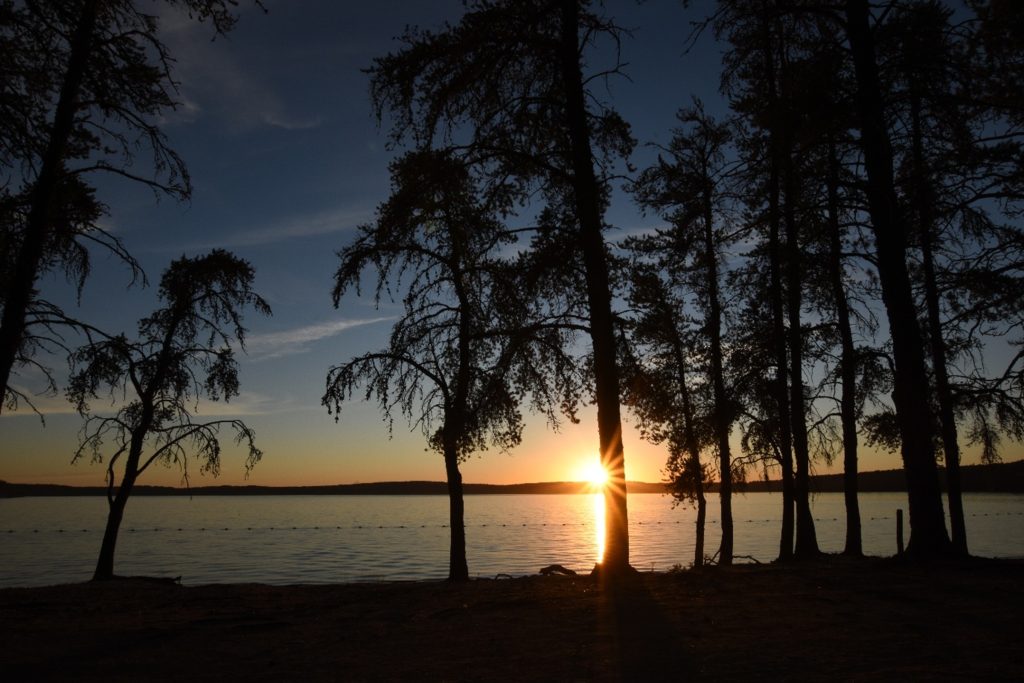
The boughs of the trees appear to melt down and touch the flaming rays, somehow both rigid and drooping all at once.
They look like they are struggling to survive. They look a little bit like they are already dead.
They look like what every other tree is probably thinking – that they are old, and tired, and wiser than every single one of us combined. (Of course, I don’t really know that. I don’t speak tree. But it’s a nice thought, isn’t it?)
Besides their strange charm, Jack Pines are also, objectively, just really cool.
Flourishing in fire
Here’s an interesting fact:
Remember those cones I mentioned? The ones that kind of look like animal droppings.
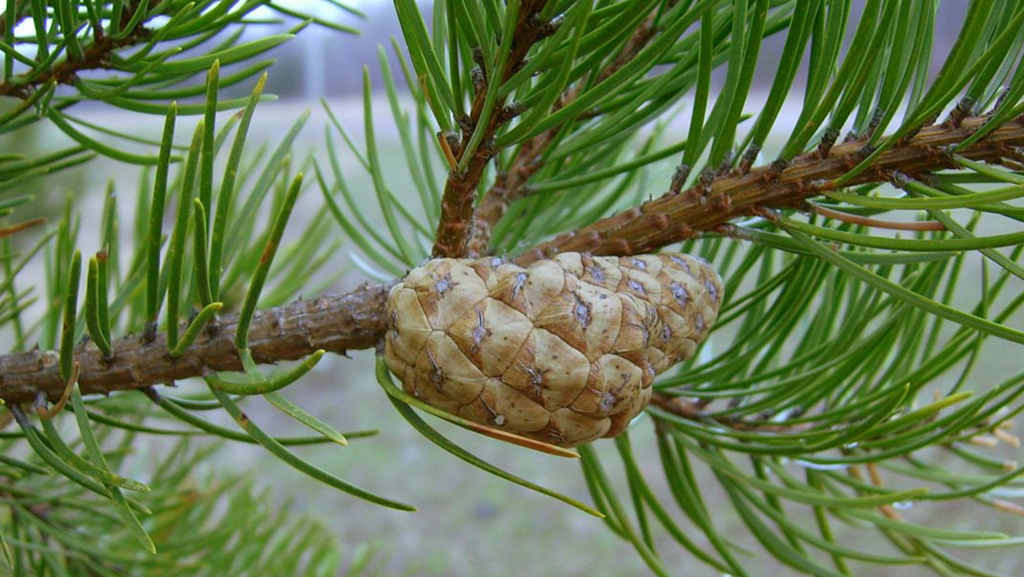
Like other coniferous trees, the seeds of the Jack Pine are spread through cones — this is different than deciduous trees, which spread their seeds through flowers, nuts, seeds, or fruit.
Jack Pinecones are serotinous; a word derived from the Latin for “coming late.” They are sealed with a wax-like coating of resin that will only melt when exposed to the extreme heat from a fire, which allows the cones to blossom and release the seeds hidden inside. Jack Pine seedlings need a lot of direct sunlight to grow, which makes recently burned areas a perfect place for them to plant their roots.
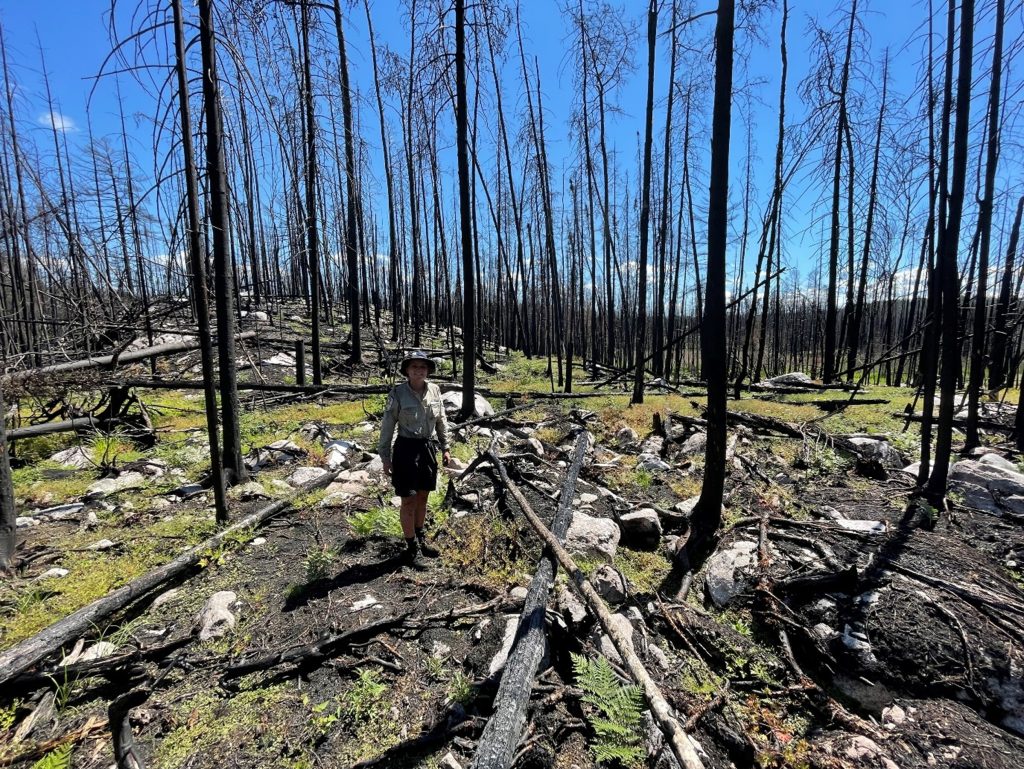
In simple terms, Jack Pines germinate when they and their surroundings catch fire or experience extreme heat.
Like I said: cool… or should I say hot!
Blue Lake’s fire history
These trees stand as a part of Blue Lake’s living history, ever since a wildfire sweeping through the park in 1910 sent the last generation of Jack Pines flaming out in a blaze of glory.
This left space for those dropped cones to sprout, bright and green, as a new generation of saplings, rising like phoenixes from the ashes.
Since then, as the park was established and became popular with visitors, the risk of allowing the forest to burn naturally became too great. Because of this, forest fires in and around Blue Lake have typically been suppressed – thus, the Jack Pines in the park have slowly, but surely began reaching the end of their life cycles.
Without a wildfire to renew the forest naturally, Blue Lake’s Jack Pines will slowly be replaced by other, more shade-tolerant species, such as Balsam Fir and Mountain Ash.
Forests are always changing — who knows what this one will look like in another 100 years?
Life from fire
This forest, as well as many others like it, lives on fire.
Over the years, our forest management practices have changed. Fire was once seen mainly as dangerous and destructive, prompting an aggressive approach to wildfire suppression.
However, this hasn’t always been everyone’s view on fire. Indigenous communities have practiced controlled cultural burns for a very long time, recognizing the ecological benefits.
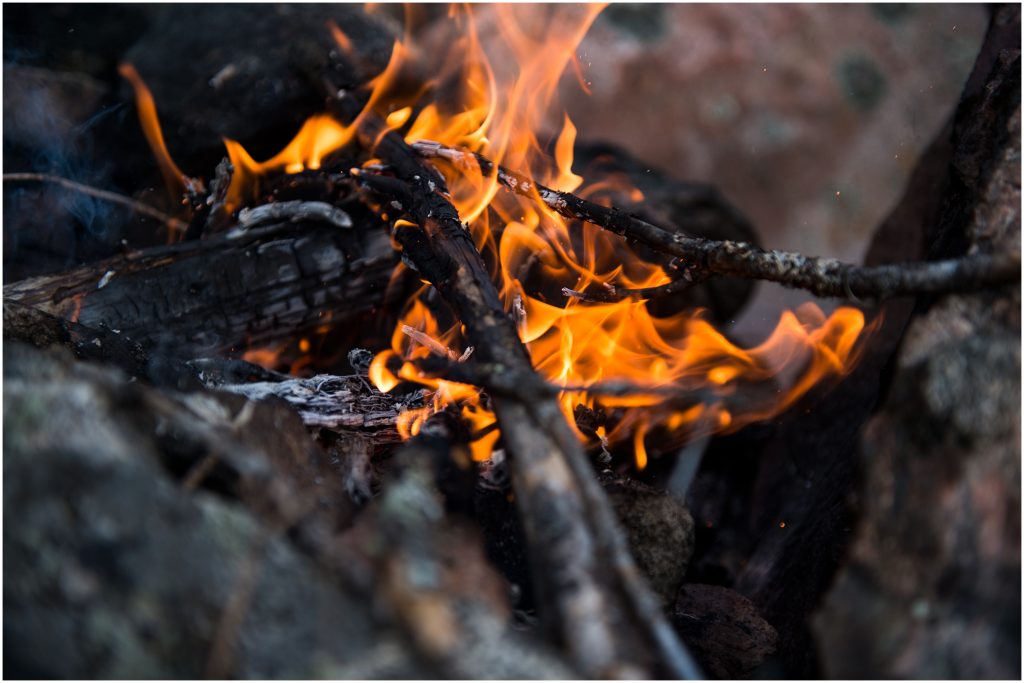
Gradually, forest managers began acknowledging the ecological role of fire in keeping our forests healthy resulting in fire management practices becoming more sustainable.
Today, some wildfires may be allowed to burn when they pose no threat to people or property, giving forests a chance to regenerate and improve health and biodiversity.
Controlled or prescribed burns may be used in places to renew a forest — which can also help to minimize the future possibilities of out-of-control wildfires, as a form of hazard reduction.
Learning from fire
Fire is more than a potential natural disaster — it’s our forest’s way of staying alive.
But there are many places where letting a fire burn is not an option, such as in places where the risk to communities and human infrastructure would be too great – like at Blue Lake, which is frequented by park visitors.
At Blue Lake Provincial Park, our Jack Pines are just as important to the park’s natural landscape as the more obvious attractions (the blue lake, anyone?).
At the park, staff offer summer Discovery programs, providing opportunities to learn more about the species and landscapes in the park, including Jack Pines and their relationship with fire.
Most recently, staff have been excited to offer an interactive school program called “From Fire to Forest”, all about the role of fire in the Boreal Forest. This program stars – you guessed it – the Jack Pine, as the MVP of forest fire ecology.
Grade 3 teachers are invited to book our free 45-minute virtual School Program “From Fire to Forest” for their class or contact Elora.Vanderloo@Ontario.ca to arrange for an in-park school program visit this June.
This program is designed to meet expectations outlined in the Grade 3 Science and Technology curriculum – Growth and Changes in Plants.
Learn more about Ontario Parks School Programs: How to book a virtual school program