February 23 to March 1 is Invasive Species Awareness Week!
Invasive species are a major threat to species at risk and the parks we love, and our staff work incredibly hard to protect our beloved natural spaces.
In the past year, Ontario invested more than half a million dollars to combat invasive species in our provincial parks and conservation reserves! Projects around the province were supported by Ontario’s Species Conservation Program!
Check out just a few of the ways our hard-working staff put that investment to use fighting invasive species last year:
Keeping buckthorn at bay at Emily Provincial Park
The staff at Emily are not fans of buckthorn.
This hardy invasive species has plagued the park for decades. It’s incredibly difficult to remove, and it grows back with a vengeance!
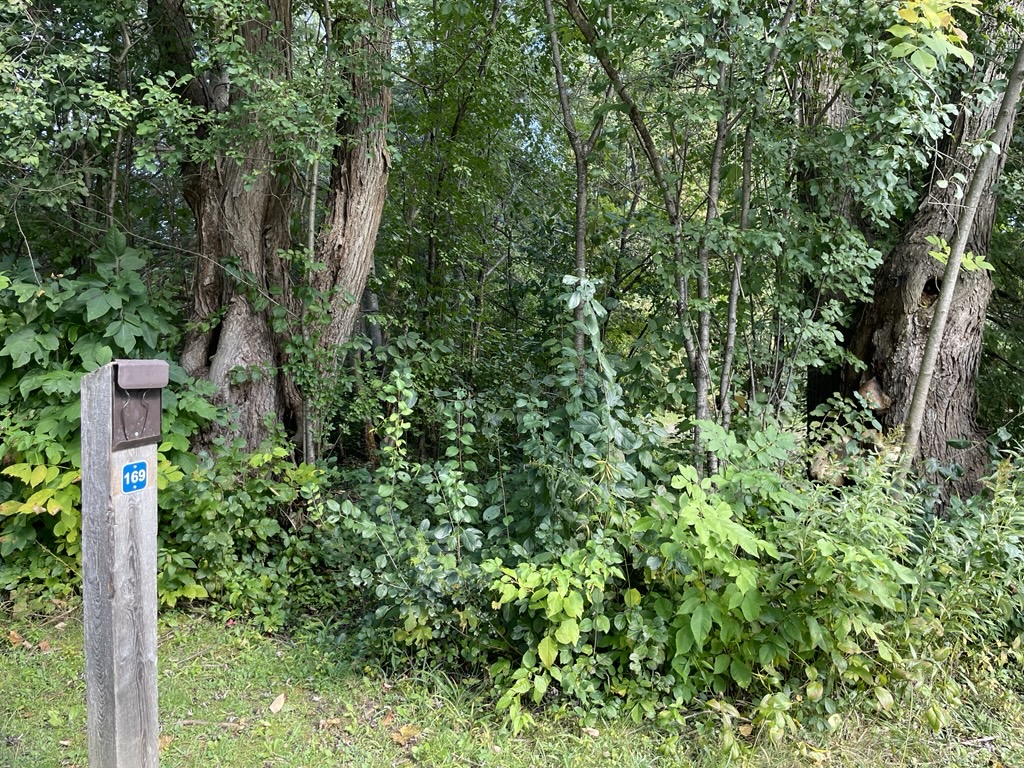
It’s hard to believe when walking through Emily today, but the campground used to be farm fields. Over the years, staff have worked hard to bring back natural balance and create opportunities for native species — including species at risk — to thrive.
In recent years, park staff have been working very hard to manage European Buckthorn.
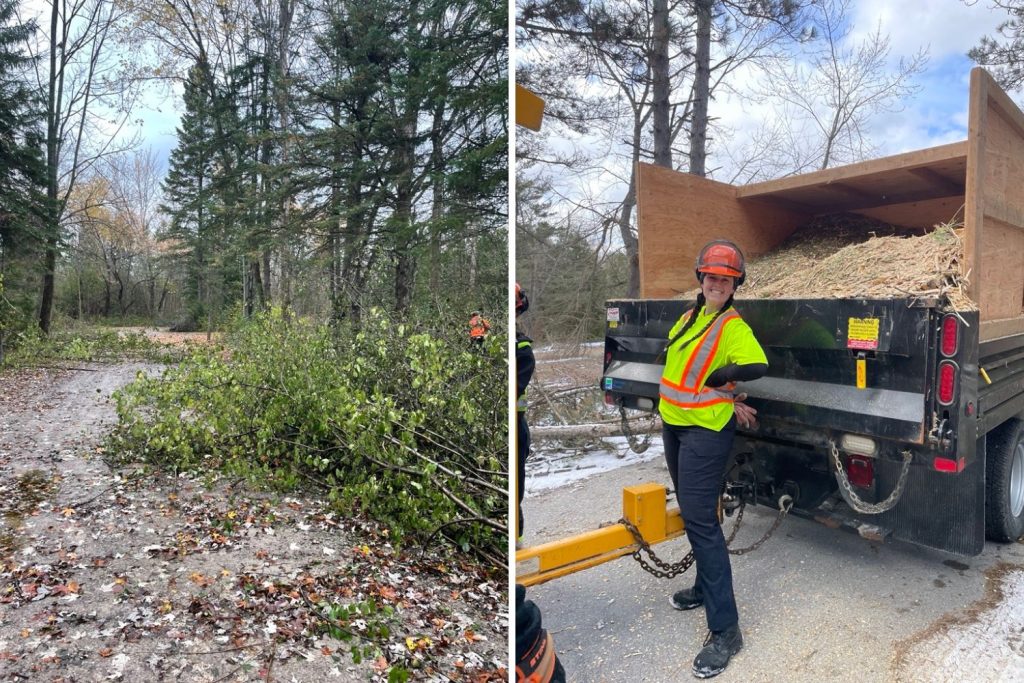
If you’ve ever wondered what our staff do when the gates close for the season, this is one of the answers. Buckthorn removal takes a lot of muscle and determination.
By minimize the spread of buckthorn, new space opens up for native species to thrive. In fact, in 2025, park staff began planting native species in these newly opened spaces!
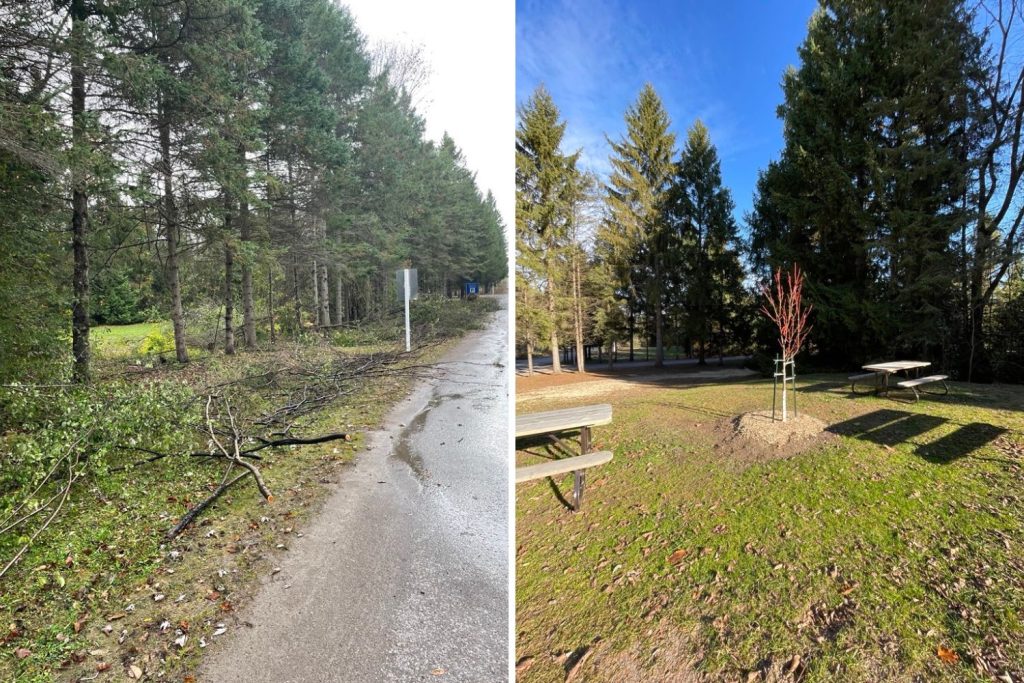
Way to go, Team Emily!
Managing mussels in Northwestern Ontario
Lake of the Woods is a massive waterbody in Northwestern Ontario, on the border with Minnesota and Manitoba. Many parks and conservation reserves are located around it, including Lake of the Woods Conservation Reserve and Sable Islands Provincial Park. This area is home to many species at risk, including Lake Sturgeon and Shortjaw Cisco.
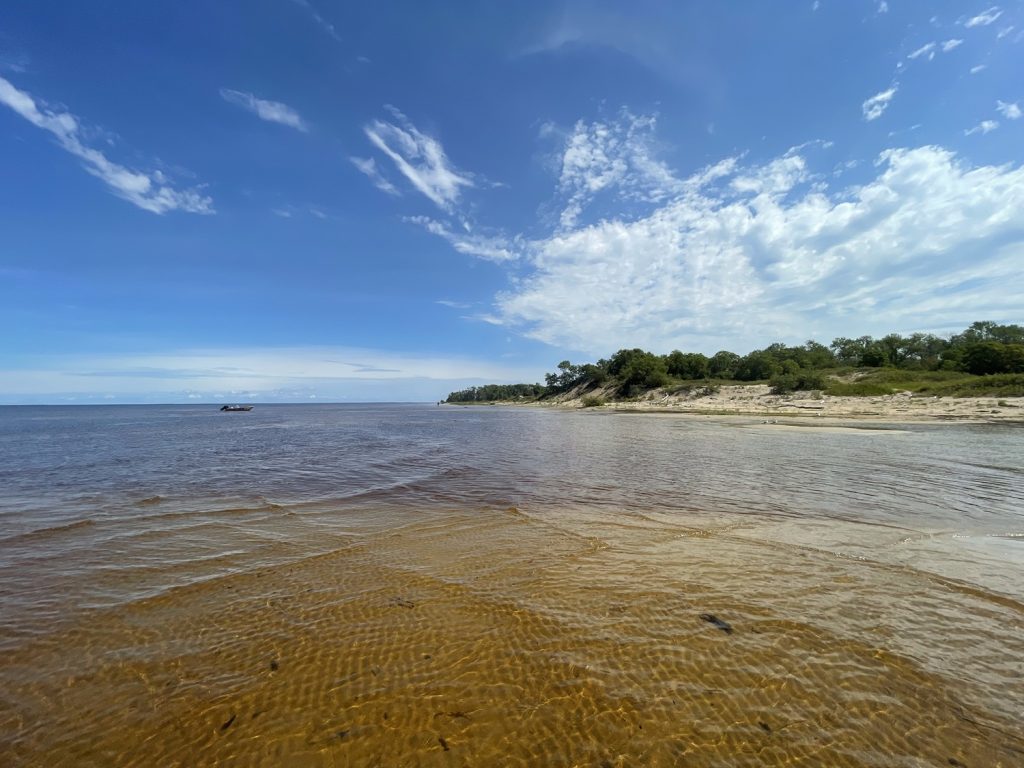
In previous years, our international, provincial, and First Nations partners detected larval Zebra Mussels in Lake of the Woods.
Thankfully, no established populations were found. And our staff want to keep it that way.
Zebra Mussels can be extremely harmful to lake ecosystems. They out-compete native species for food. Their presence can also lead to toxic algal blooms and increase pathogenic bacteria, like avian botulism. Zebra Mussels are particularly bad news for our native mussels, many of which are species at risk.
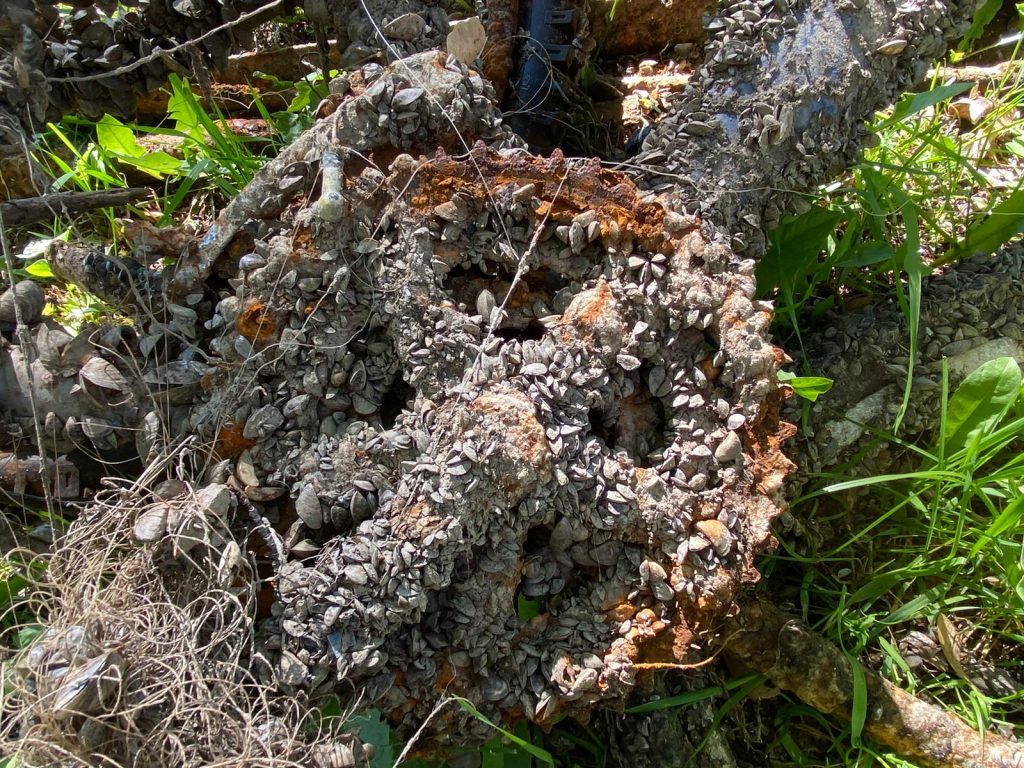
When it comes to fighting invasive species, knowledge is power. It’s critical to spot invasions before populations can get established. That’s why, in 2025, our northwestern staff surveyed in 4 different protected areas around Lake of the Woods.
And great news: no adult Zebra Mussels were found! Even better? Staff DID find two native mussel species.
Staying vigilant is how we’ll keep our waters protected. Staff plan to deploy Zebra Mussel settling plates (where Zebra Mussels may attach for observation) this year. They’ll also expand monitoring efforts into protected areas upstream of Lakes of the Woods on Rainy Lake and in Quetico Provincial Park.
Keeping Algonquin Provincial Park’s lakes “flea-free”
Algonquin Provincial Park is the headwaters for many areas outside the park and a stronghold for coldwater fish communities. One of the goals in establishing the boundaries of the park was to protect those headwaters, because if headwaters become compromised, so too does everything downstream.
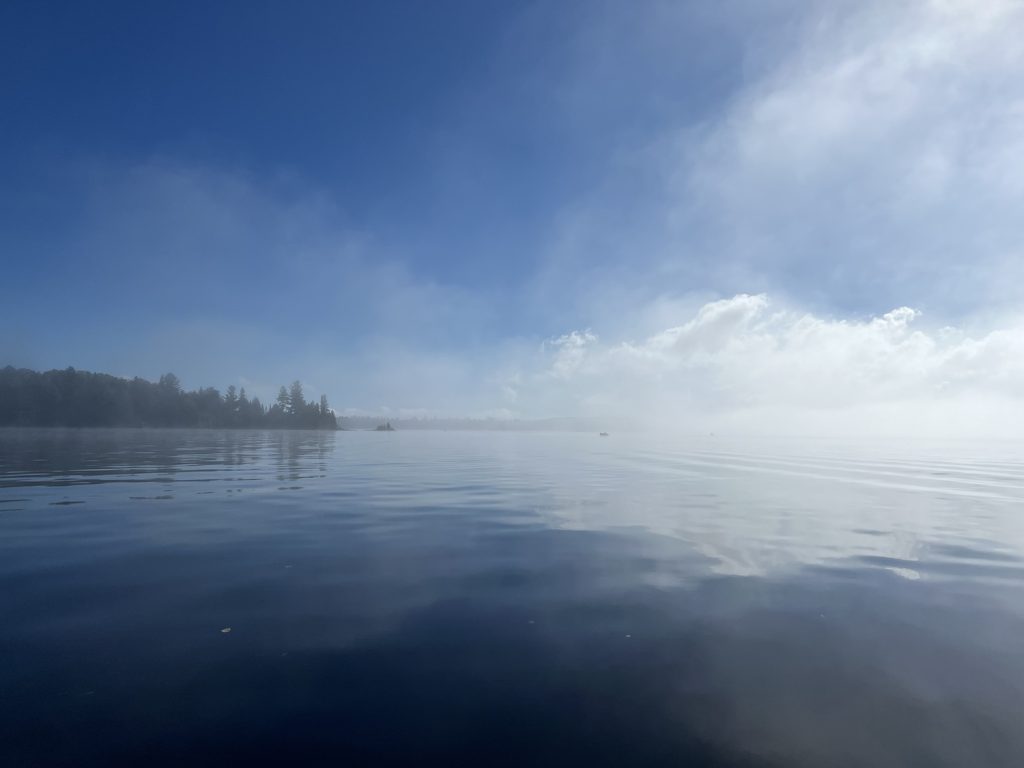
Did you know Algonquin Provincial Park has a species at risk that isn’t found anywhere else in Ontario? The threatened Lake Whitefish species in Opeongo Lake is vulnerable to extinction.
And Spiny Waterflea is a major threat to its survival.
Spiny Waterflea is an invasive zooplankton. And once introduced, it cannot be removed from a waterbody. But we can try to prevent introductions from happening in other lakes.
Since Spiny Waterflea was first detected at Algonquin Provincial Park in 2022, staff have worked passionately to prevent its spread.
An important part of that work is gathering data. In 2025, park staff sampled 25 priority lakes and boat launches where the risk is the highest.
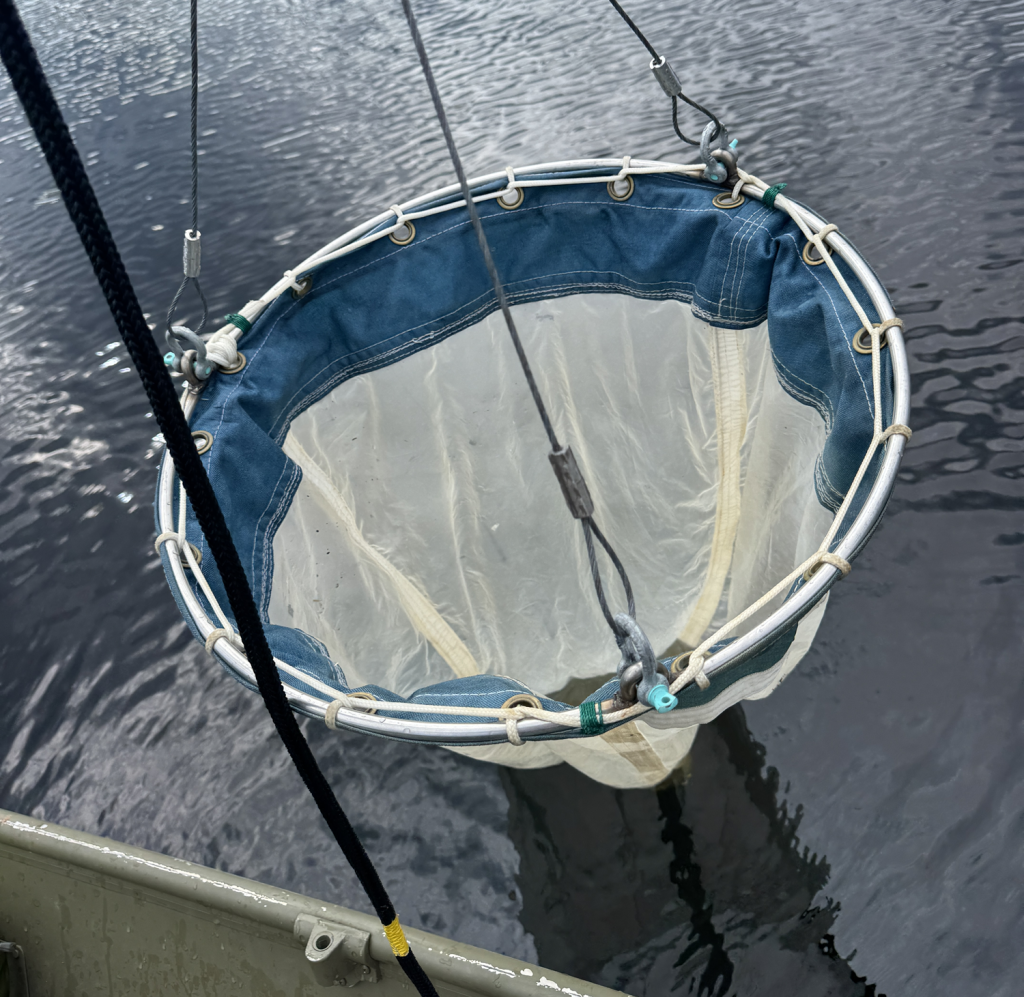
Public education has also been a priority. Spiny Waterflea can typically only move upstream when carried by humans. From promoting a boat wash station to putting an alert on the reservation system to social media posts like this one, park staff work hard to educate visitors.
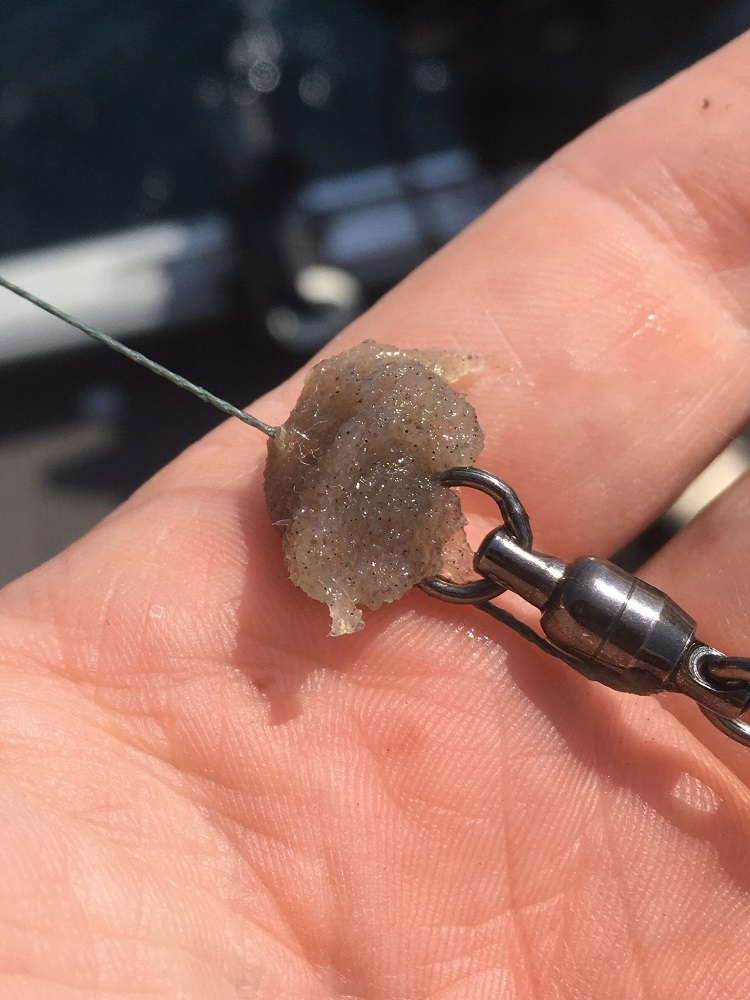
If you’re visiting Algonquin Provincial Park, help us protect our lakes from Spiny Waterflea:
- Check your gear and keep it clean. Look for small, clear jelly sacks with a long spine. Always wipe down your watercraft and other gear with a cloth or towel. Your paddles, ropes, fishing line, and rods can all harbour Spiny Waterfleas. Drain all standing water from boats, canoes, and kayaks. Complete these checks before you head to Algonquin and when you move from one lake to another, including over portages.
- Use extra caution when travelling through infected lakes. The five lakes confirmed to contain Spiny Waterflea are Galeairy, North Tea, Manitou, Kioshkokwi, Rock Lake, and Three Mile Lake.
- Wait to drop your line until reaching your destination. This helps reduce transmission risks between lakes.
- Report any sightings. If you do spot Spiny Waterflea on your gear, let park staff know or report via iNaturalist.
We all need to work together to keep this invader at bay!
We’d love your help!
These are just 3 projects of dozens completed in our parks last year! Our staff work hard, often behind the scenes, to fight off invasives.
And we’d love an assist! From cleaning your boots between hikes to clean-drain-drying your boat, we rely on our visitors to help us keep parks healthy.
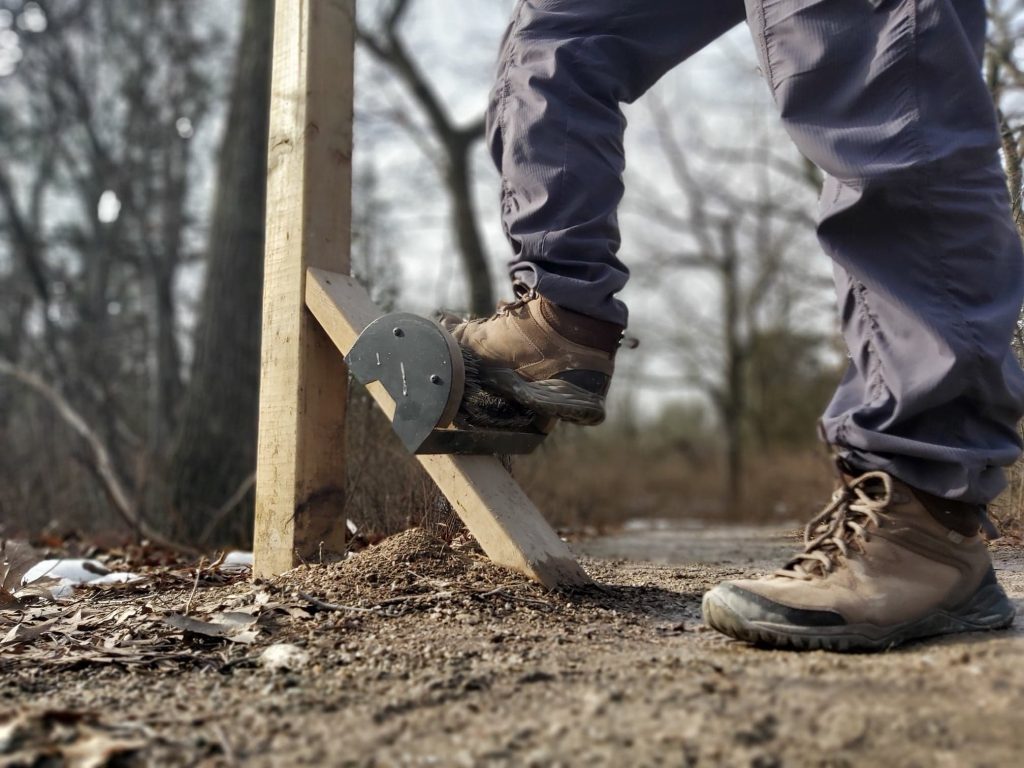
You can also help us out by reporting invasive species sightings on EDDMapS or iNaturalist. Like we said, knowledge is power when it comes to fighting invasive species.
Want to take action today? Right now?
Share this blog post with a friend or post it on your social media accounts! Remember: it’s Invasive Species Awareness Week.
This is the perfect time to help spread awareness about threats to our parks!