Big news!
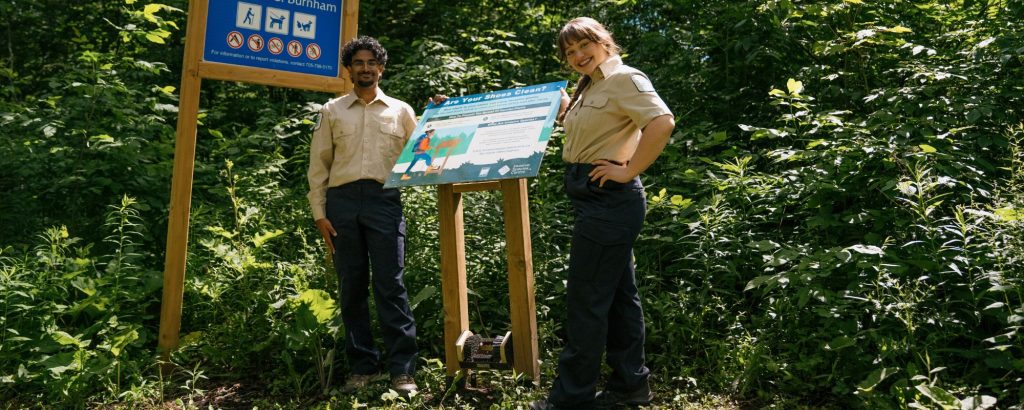
We’ve teamed up with our friends at the Invasive Species Centre to install more than 30 new boot brush stations!
Spot them at parks around the province, including Darlington, Mark S. Burnham, Algonquin, Arrowhead, Burnt Lands, Kawartha Highlands, Restoule, Mikisew, Six Mile Lake, Sleeping Giant, and Kakabeka Falls.
What’s a boot brush station?
We’re so glad you asked!
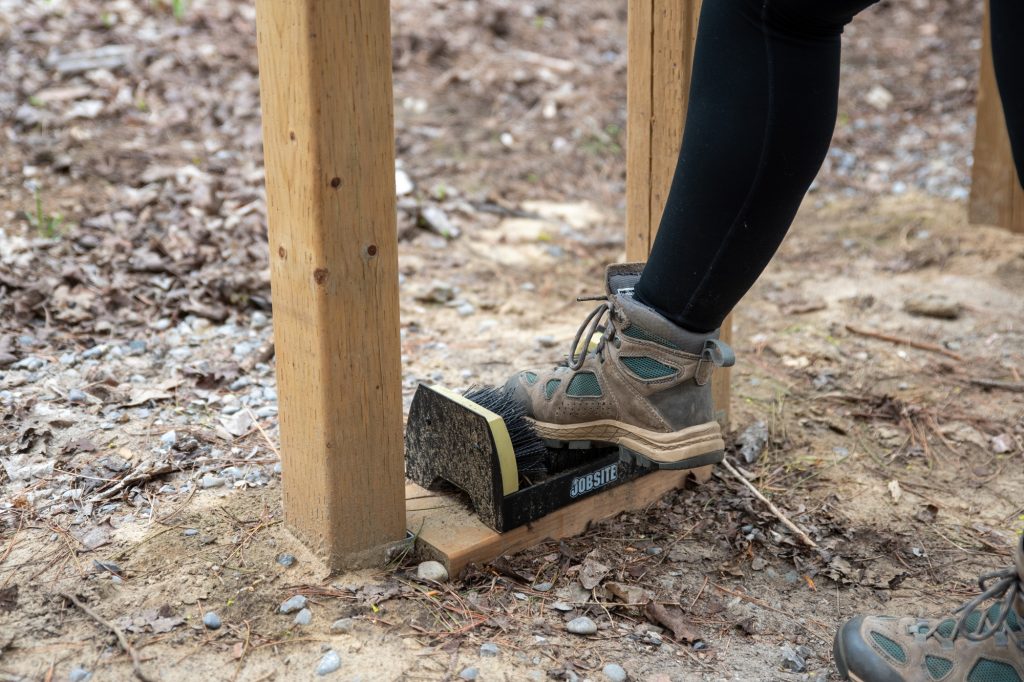
Boot brush stations are simple wooden structures with stiff-bristled brushes at the bottom.
They’re designed to brush off your boots or shoes, removing soil, leaves, and other debris.
These shiny new stations also feature signs that teach visitors how to boot brush and why it matters.
Okay…so why DOES boot brushing matter?
It matters because invasive species can’t hitch a ride on clean footwear.
When we hike, seeds, spores, and plant fragments from invasive species can get caught on our shoes and boots.
If we don’t clean them off between locations, those plants travel with us to our next destination.
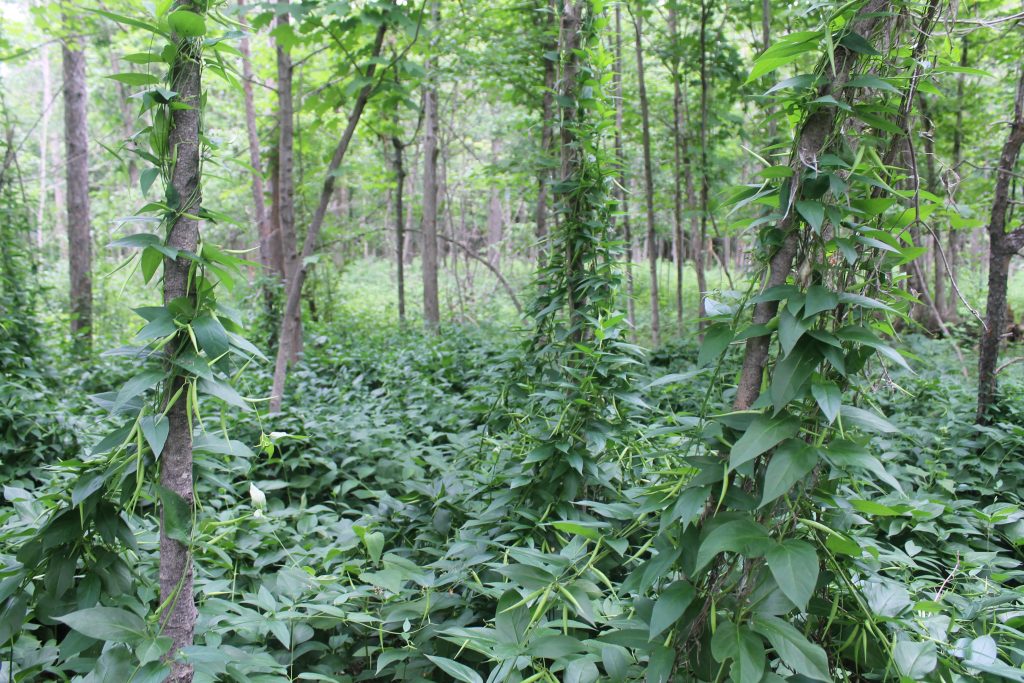
Those seeds and fragments ride along to wetlands and other sensitive habitats. And that’s BAD news for the native species living there.
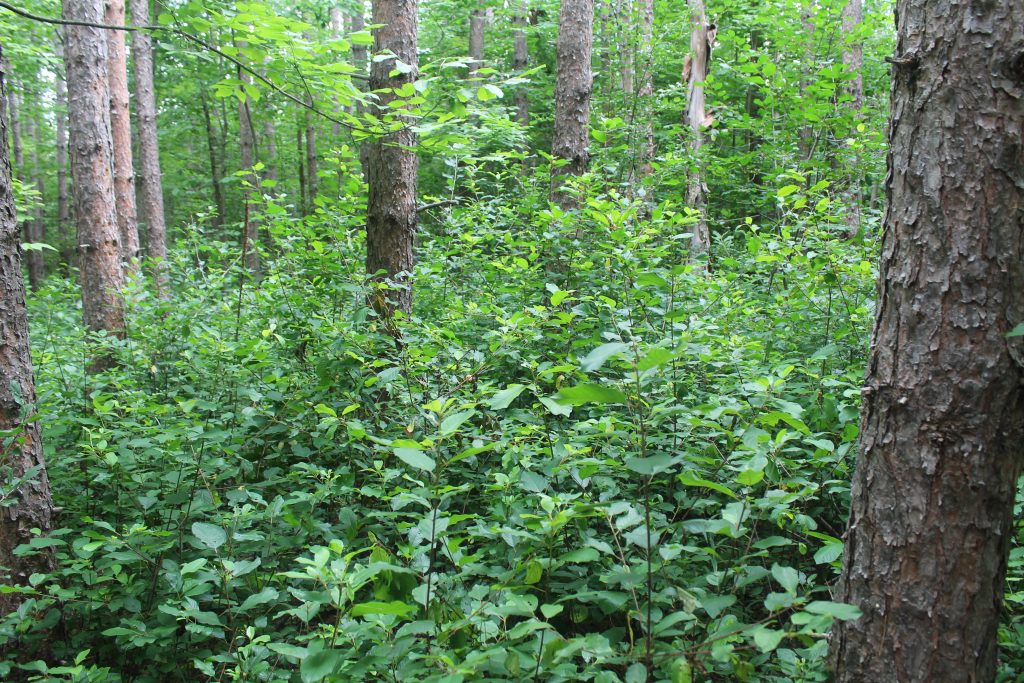
For example, invasive plants choke out turtle nesting areas. They dominate forest floors, leaving no room for wildflowers and no sunlight for young trees.
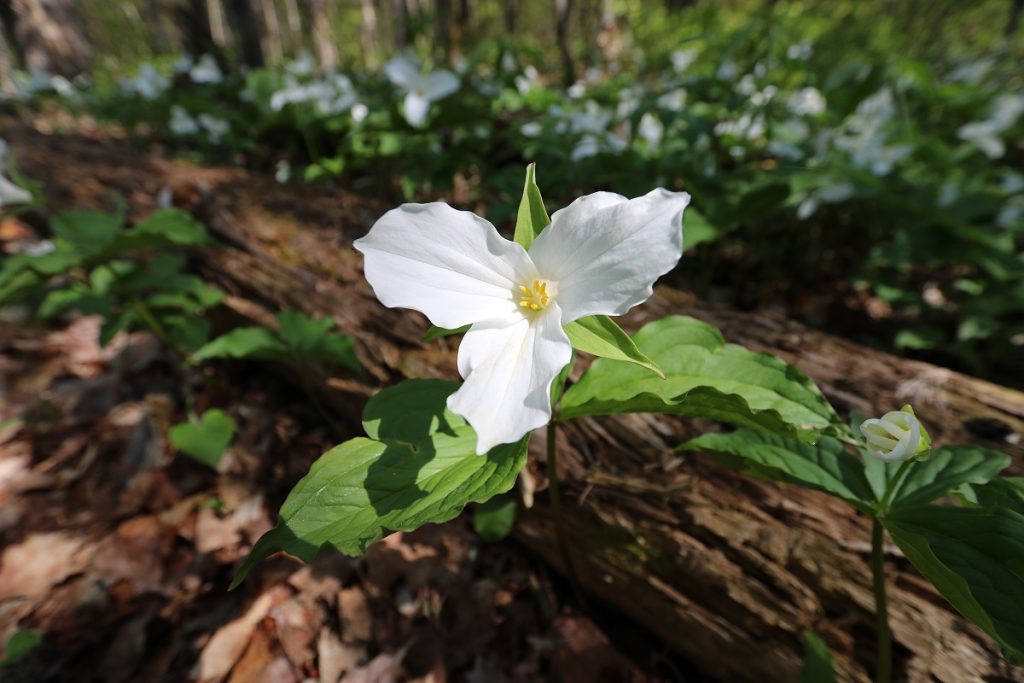
Cleaning your boots and shoes between hikes makes it much harder for invasive species to get a “foothold” in our parks.
Does it really make a difference?
In today’s world, it can feel like our actions don’t matter.
But small actions add up.
And every time you act, it’s a step towards the future you want to see.
Do the math. Imagine 10 million people visit our parks this summer. If only 2% start boot brushing, that’s 200,000 fewer chances for invasive species to spread. That’s huge!
And we bet more than 2% of you care enough to take action. Collectively, we can make a real difference!
And those 30 new boot brush stations? We picked their locations with care.
They’ve been set up:
- At busy trailheads, to catch as many feet as possible
- Close to sensitive species-at-risk habitat
Every time you use one, know that you’re protecting the parks you love.
How will I know I’ve made a difference?
You probably won’t.
You’ll never know if this is the day you saved a park’s next generation of Blanding’s Turtles or the wildflowers along your favourite trail.
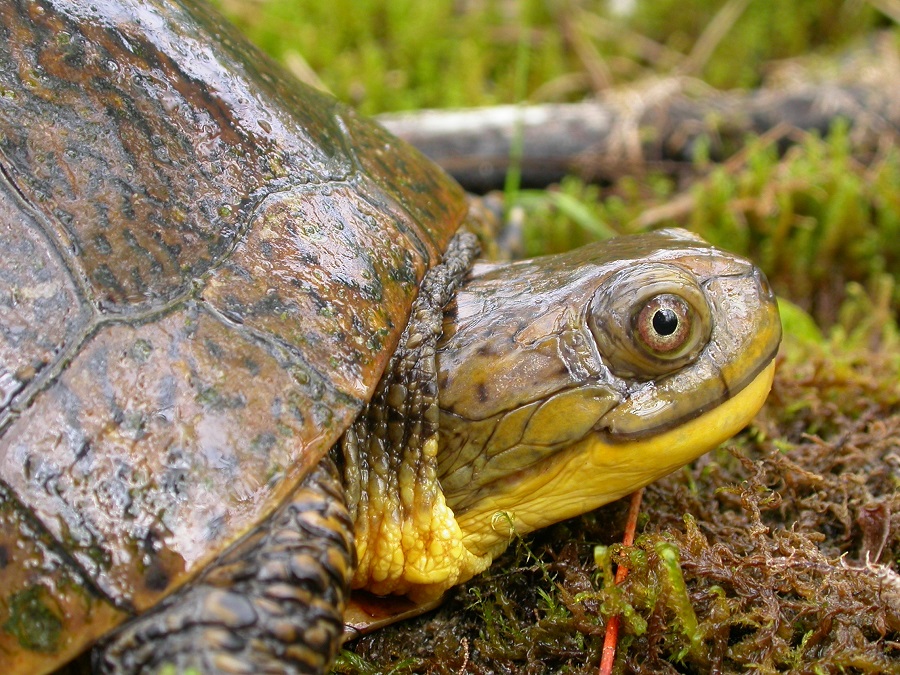
But with so many feet moving through our parks, every hike is a lottery.
And your actions tilt the odds in our favour.
Actions that matter
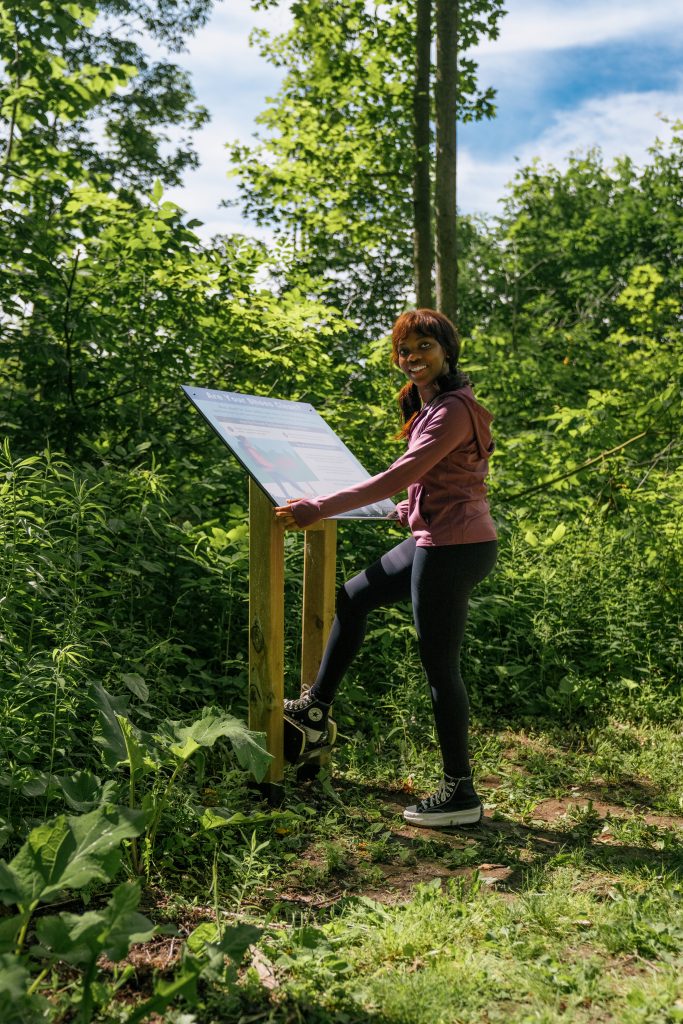
First, clean your footwear when visiting our parks (or any natural space).
Use boot brush stations at the start and end of your hike.
If no boot brush station is available, use your own brush or cloth (don’t forget the treads!).
Second, help us spread the word!
Talk to your hiking and camping friends about why clean footwear matters. Pack a spare brush or cloth in your gear bag to share. Remind your group to stop at boot brush stations.
Want to help today? Share this blog post on your social media accounts or text it to a friend!
Conservation is a team sport
Did you know these new boot brush stations are part of a bigger effort?
This project (and many others!) was funded through the Species Conservation Program, which provides $20 million annually for species-at-risk conservation projects across Ontario.
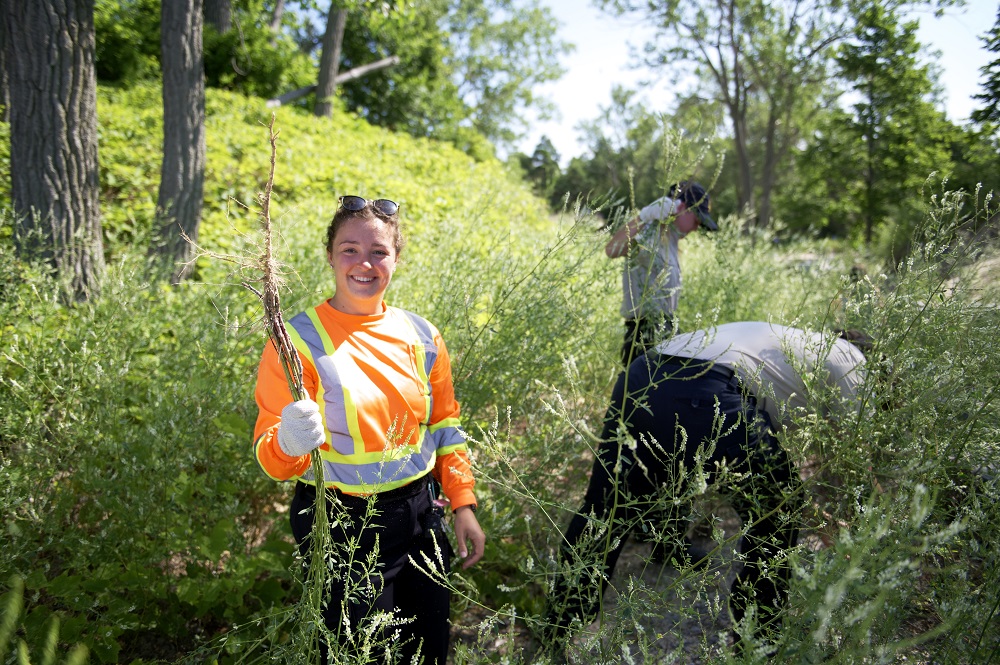
We also send major gratitude to our friends at the Invasive Species Centre! So far in 2026, we’ve teamed up on everything from staff training and invasive species management equipment to boat wash stations to boot brushes!
And don’t forget: you’re part of the team too.
Help us shut out invasive species: clean your footwear between hikes!