Great news, boaters and paddlers! Ontario Parks and the Invasive Species Centre (ISC) are teaming up to protect our lakes and rivers!
This summer, a mobile boat cleaning station will spend time in four southeastern provincial parks as part of a prevention pilot project!
What’s a mobile boat cleaning station?
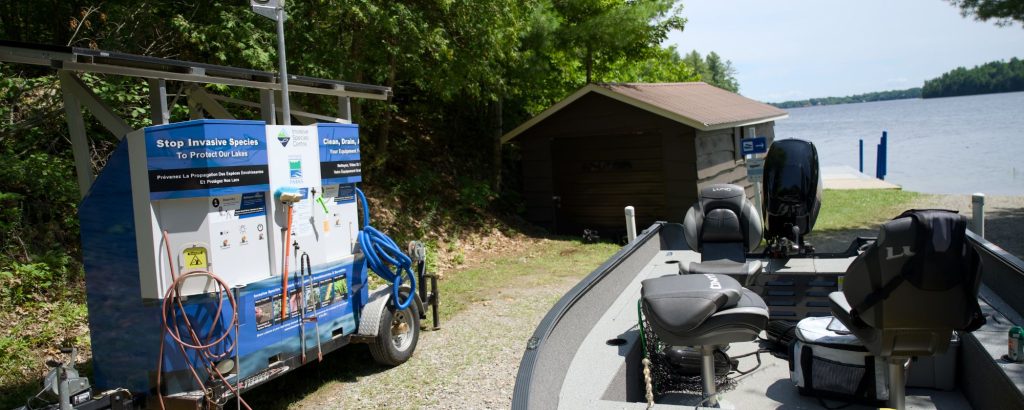
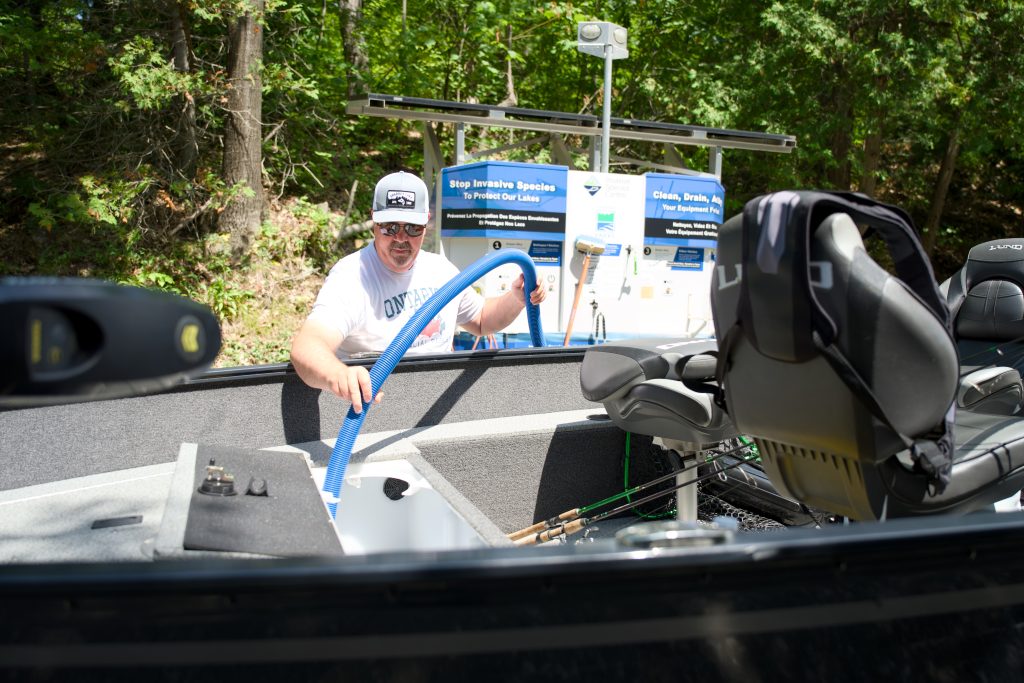
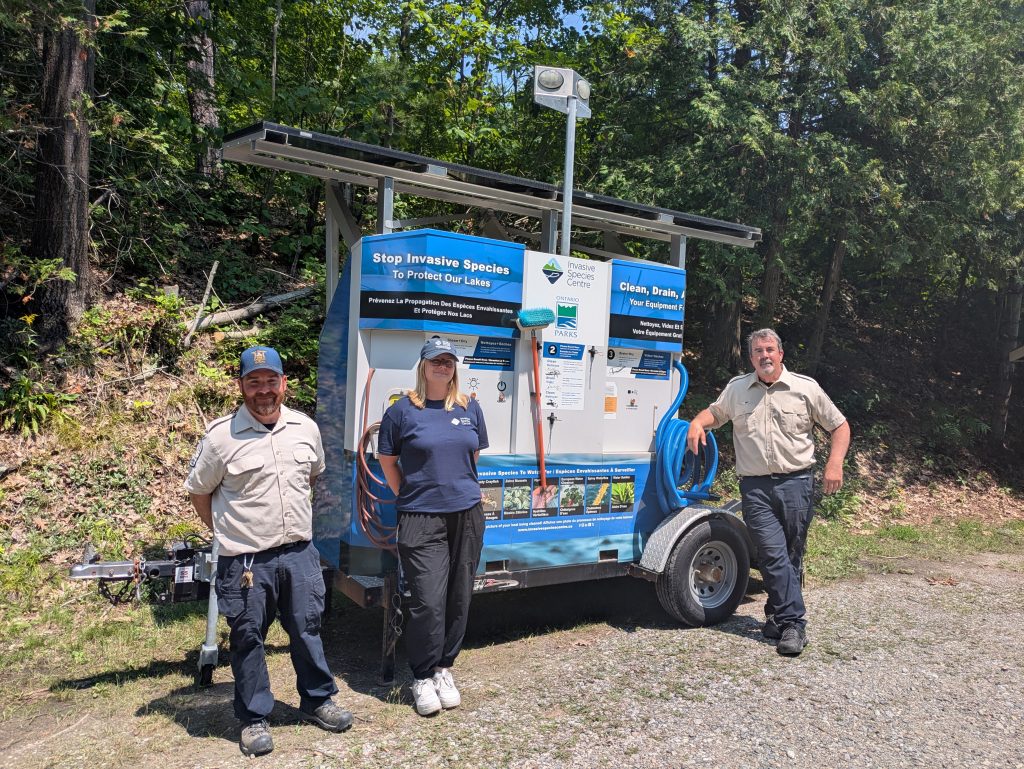
Here’s what it looks like:
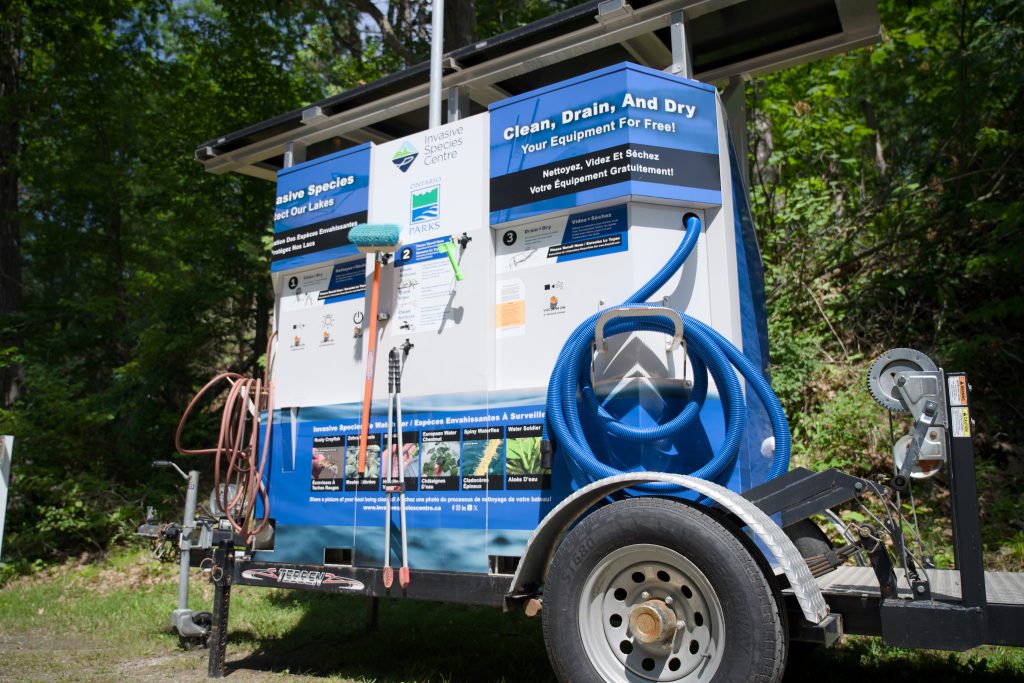
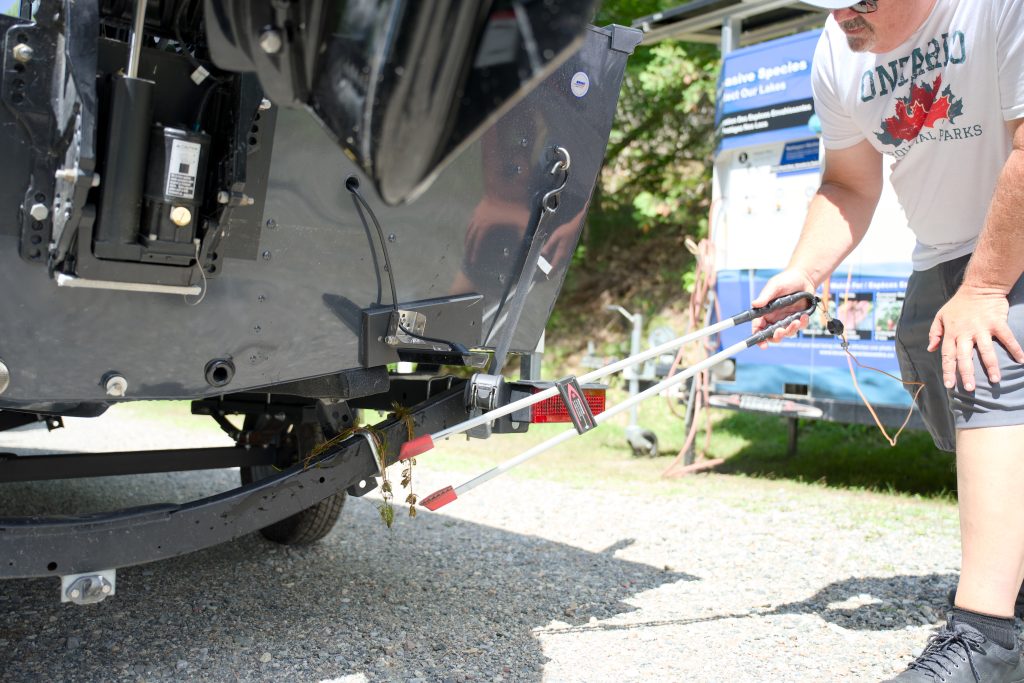
This solar-powered station includes all the tools you need to clean your watercraft (boat, canoe, kayak) and equipment (paddles, props, trailers, etc.) after a day on the water. It’s got:
- wet/dry vacuum
- air compressor
- large brush
- plant material grabber
- boat wrench
Make sure you properly dispose of any debris you remove. Plant parts, animals, or mud can be disposed of in a garbage can. If a garbage can is not available, dispose of these materials on dry land at least 30 m from any waterbody.
What parks will the mobile boat cleaning station visit?
Find the mobile boat cleaning station at:
- Sharbot Lake Provincial Park: July 16 – August 6, 2026
- Silver Lake Provincial Park: August 8-27, 2026
- Murphys Point Provincial Park: August 29 – September 17, 2026
- Charleston Lake Provincial Park: September 19 – October 8, 2026
Why is it so important to clean our boats, canoes, and kayaks?
When small actions add up, it can make a big difference. It’s much easier to stop invasive species from arriving than to fix the damage after they spread.
Here are a few reasons why taking the time to clean, drain, and dry your watercraft matters:
You’re protecting the species and spaces you love
Aquatic invasive species are a major threat to freshwater ecosystems.
They can change the habitat, making it unlivable for existing fish, plants, and other species.
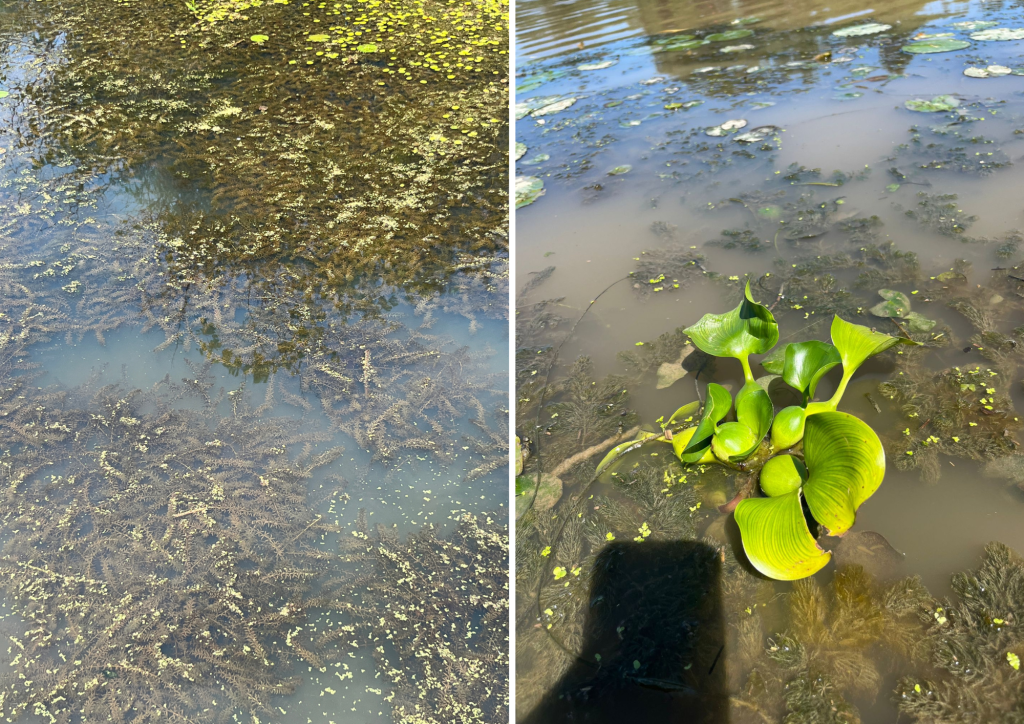
They can outcompete native species — including species at risk! — until they’re wiped out of an area.
And boat launches are one of the most common pathways they use to spread. They hitch a ride on our boats or trailers or paddles, and follow you to your next getaway.
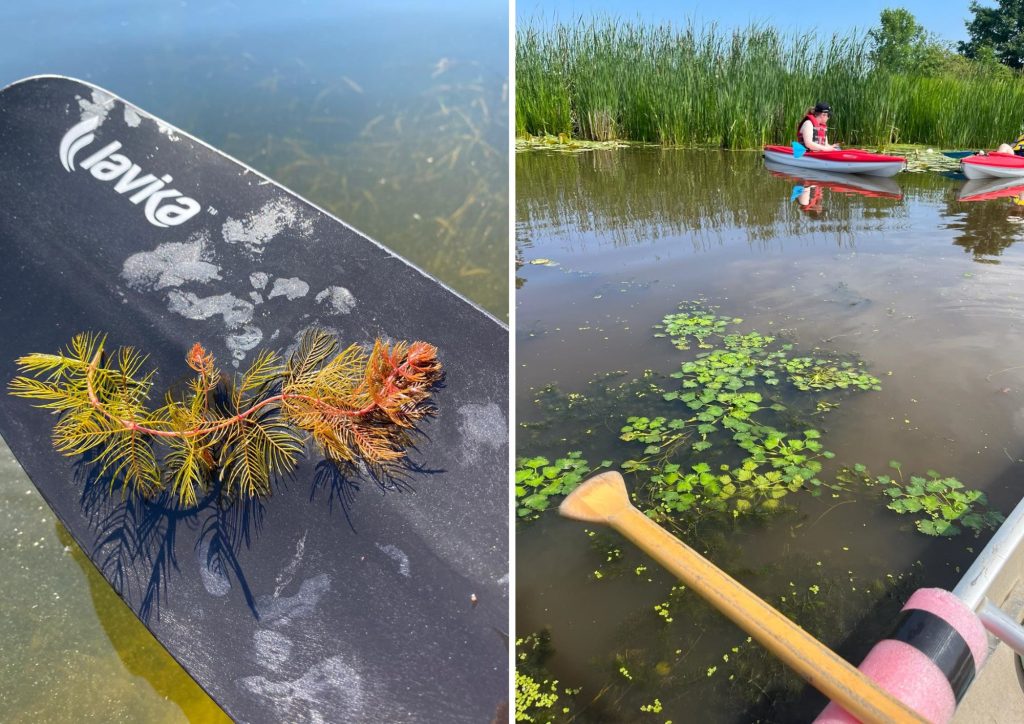
If you don’t clean and drain your boat and equipment, you could let invasive species jump to a previously uninfected lake or river. This is especially important when you’re visiting provincial parks or other protected areas.
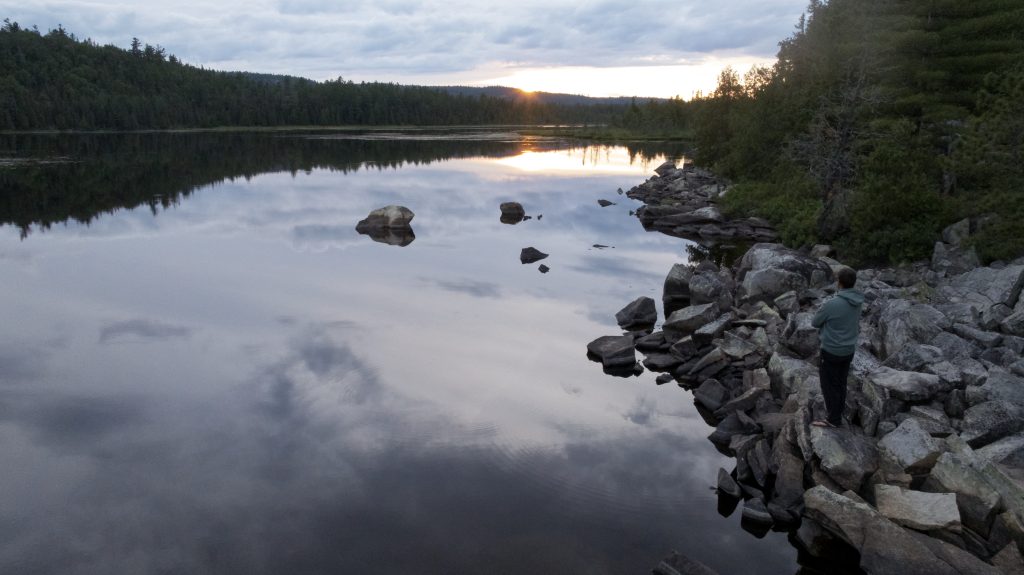
The boundaries of our parks weren’t created at random. They were selected deliberately to protect ecologically significant lands, waters, and species. They are havens for biodiversity.
Invasive species undermine all our efforts to keep our parks protected.
That’s why it matters that you clean your watercraft every time. What we protect is precious.
And one mistake can be so costly.
You love fishing (or hiking or paddling or…)
Invasive species can really ruin a good time.
Love boating? It’s not as fun when Water Soldier or Eurasian Watermilfoil mat the surface of your favourite lake.
Love fishing? It’s not as fun when invasive species outcompete all other fish and you’re stuck catching Common Carp and Round Gobies.
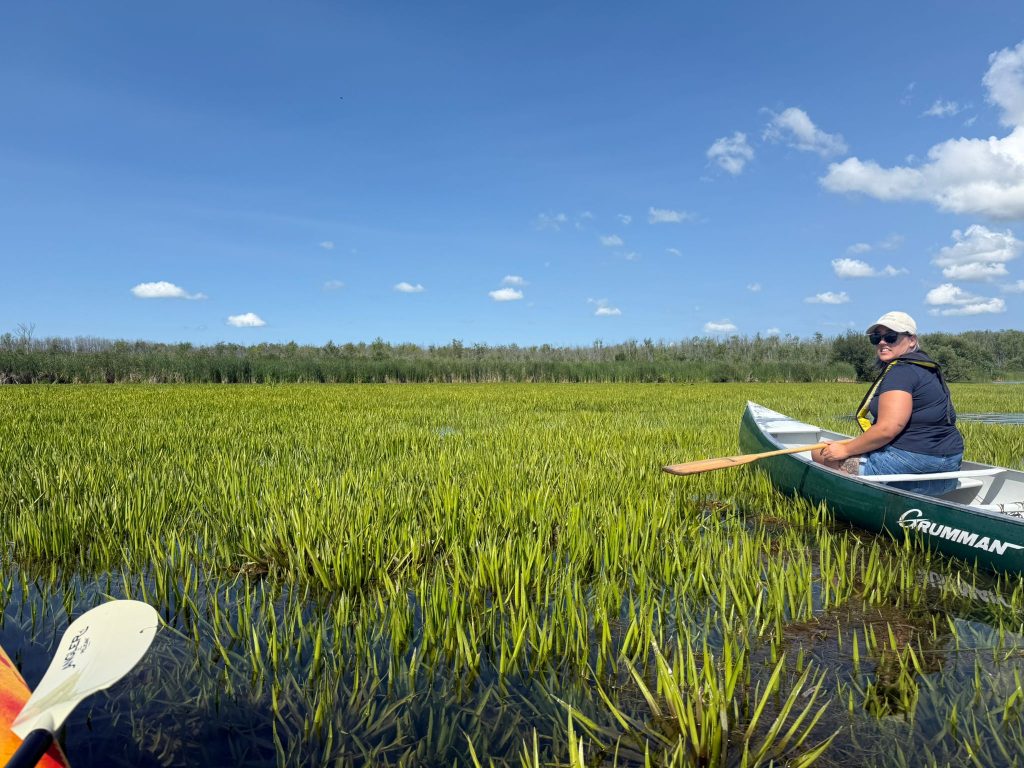
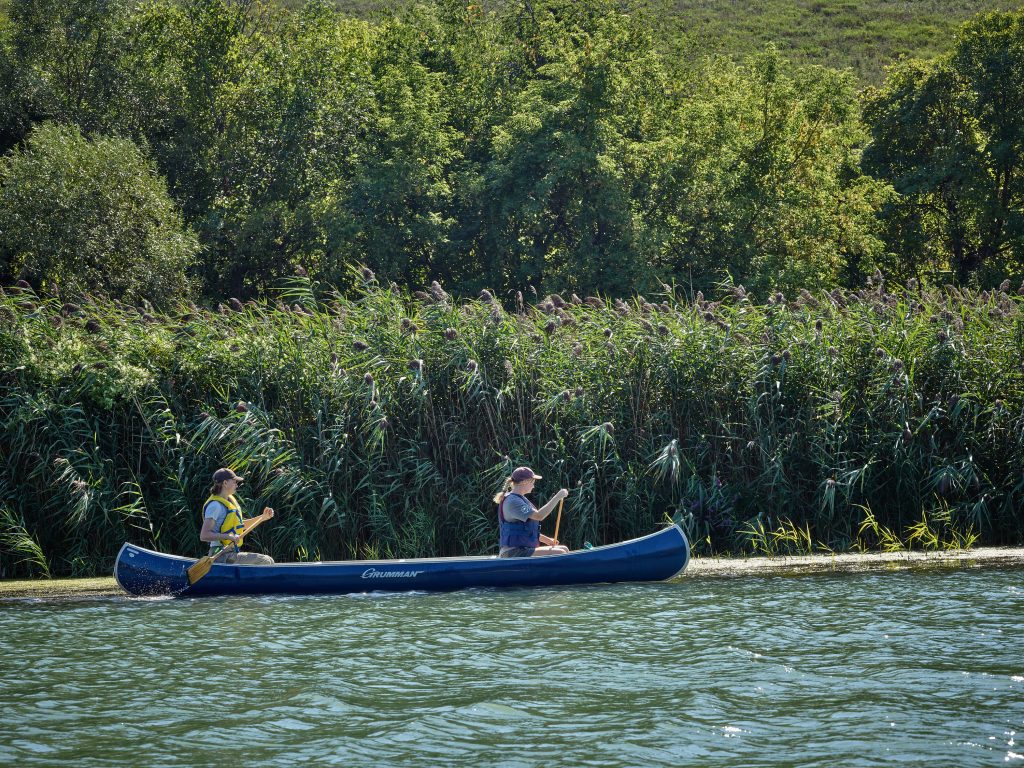
Love paddling? It’s not as fun when your favourite wetland gets choked with phragmites.
Love swimming? It’s not as fun when European Water Chestnut or Zebra Mussels are cutting up your feet.
(See where we’re going with this?)
It’s good for the economy
Invasive species are expensive!
Governments at all levels spend millions of dollars every year on detection, prevention, and removal efforts.
And it’s not just about the money we spend directly. It’s about what we might have gained if they weren’t causing so many problems.
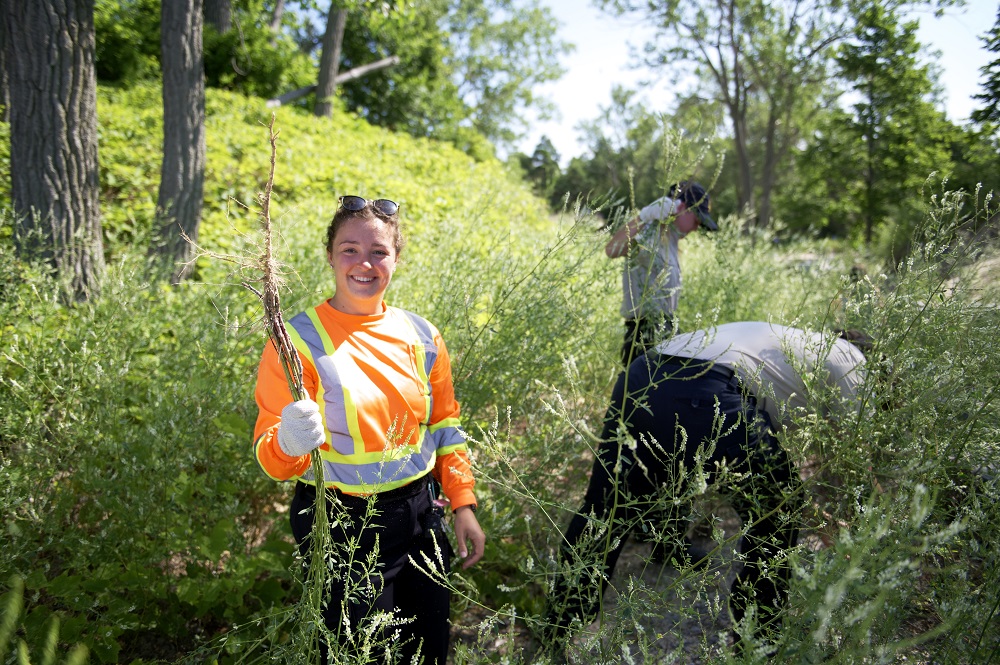
Our friends at ISC estimate that the impacts of invasive species on Ontario’s agricultural, fisheries, forestry, healthcare, tourism and the recreation industry may be in the billions every year. In fact, some studies rank invasive species alongside earthquakes and floods in terms of economic losses.
And whether it’s tax dollars that could have been spent elsewhere or higher costs for goods and services, eventually those costs and losses affect everyone.
When invasive species spread, we all pay.
It’s the law
Hey, sometimes we all need a firm boundary drawn.
If you’re out in a boat (paddlers, you count too), you are legally required to make sure you’re not spreading invasive species.
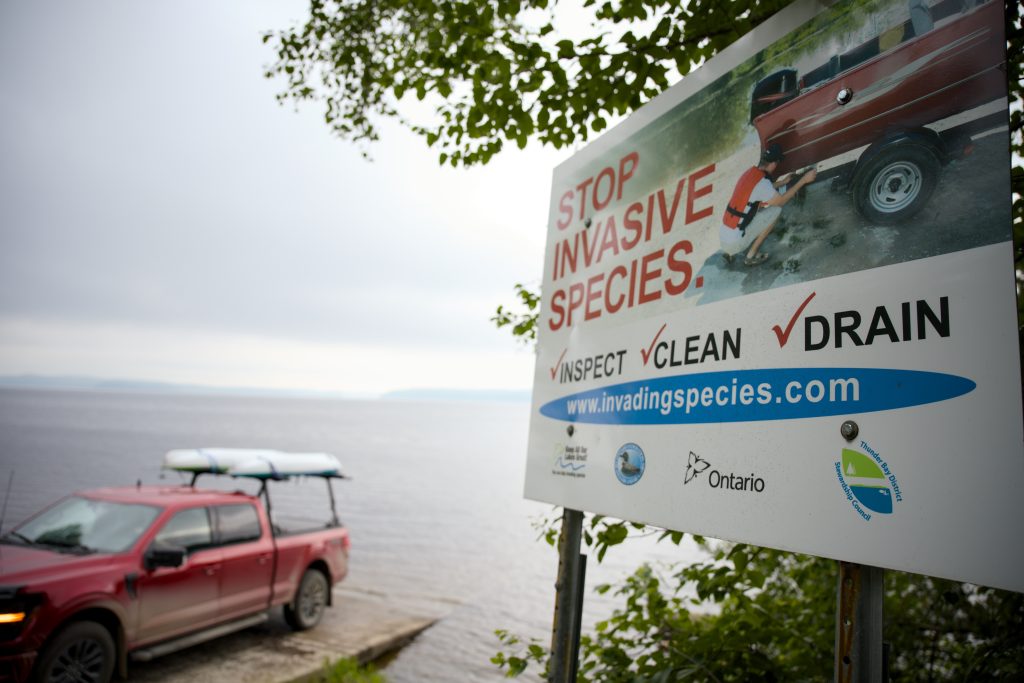
Under the Invasive Species Act, we’re all required to ensure our boat (and that includes canoes and kayaks!), boating equipment, vehicles, and trailers aren’t spreading harmful species.
Before transporting a boat or boat equipment overland, you must:
- Clean your boat to remove all aquatic plants (weeds), animals and algae from any boat, boat equipment, vehicle or trailer.
- Drain all water from bait buckets, ballasts, bilges, coolers, internal compartments, live wells, and the watercraft itself.
It’s illegal to place a boat, boating equipment, or any vehicle or trailer into any body of water if there are any aquatic plants, animals or algae attached to it.
We want to help all our visitors obey the law. That’s where projects like our mobile boat cleaning station come in!
A protection-minded dream team
It’s also part of a larger collab! Our friends at ISC are also working with Ontario Parks on staff training, site assessments, and boot brush installations. Together, we’re taking steps to protect the parks we all love.
Funding for this project (and many others!) is being provided through the Species Conservation Program, which provides up to $20 million annually to projects that support species protection and conservation in Ontario.
We’re very excited to try out the boat cleaning station in four of our parks this summer, and we hope you are too.
Let’s work together to protect the parks we love!